


 i_need_contribute
Think of ginseng as a guardian of the body's inner energy.
In TCM, ginseng works for severe weakness, poor appetite, shortness of breath, thirst and insomnia, making it one of the best-known medicinal herbs in Chinese culture.
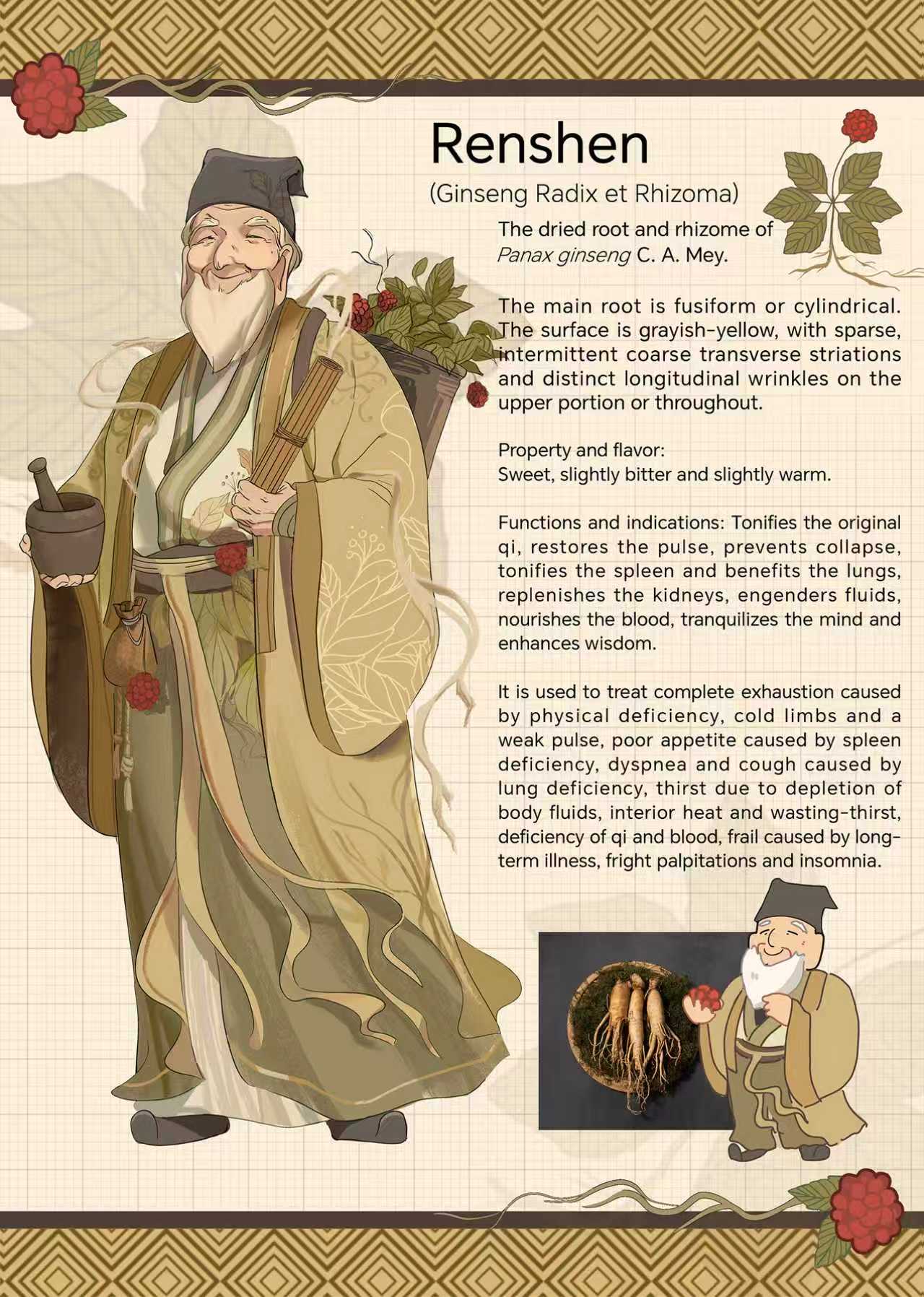
The real root
Ever noticed how a root can look a little like a human figure? Its thick main root and branching side roots can resemble a head, body and limbs. In fact, the Chinese name for ginseng, renshen, literally means "human root" – a name inspired by its distinctive shape.
Ginseng is the root and rhizome of Panax ginseng, a perennial plant in the Araliaceae family. Its scientific name, Panax, comes from a Greek word meaning "all-healing," reflecting the long-standing reputation of plants in this genus in traditional herbal medicine.
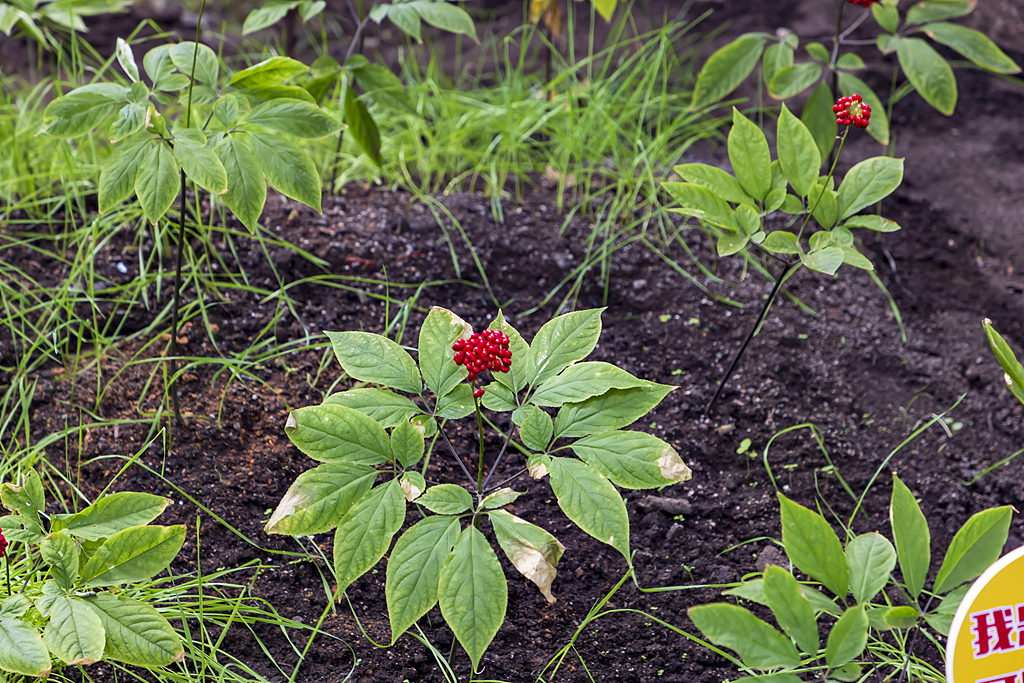 Ginseng cultivated in Changchun City, northeast China's Jilin Province, August 21, 2025. /VCG
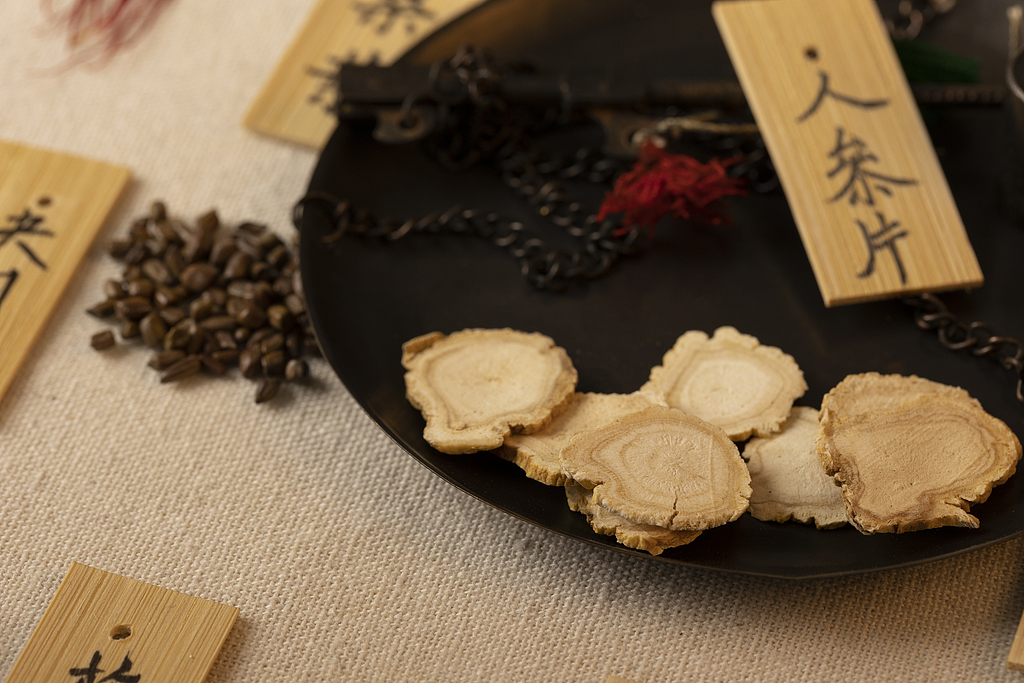 Ginseng slices./VCG
A note for usage
While it is valued for restoring strength, ginseng may not be suitable for everyone. In TCM, it is mainly used for significant weakness and exhaustion instead of those associated with excess heat, and it may lead to insomnia in certain cases.
Consulting a qualified healthcare professional is the wisest way to make use of this powerful herb.





 Health