


 i_need_contribute
1. Follow the Seasons: Sleep Early, Wake Early
An ancient saying goes: "Spring generates, summer grows, autumn harvests, winter stores." Health preservation should also follow the seasons. "Autumn harvest" is not just about harvesting crops—it's also when the human body begins to shift from outward expansion to inward storage. After the hot summer, the body needs to slowly conserve energy and prepare for winter. Therefore, Traditional Chinese Medicine emphasizes maintaining a calm mind in autumn, sleeping early and waking early, and avoiding excessive fatigue to help the body enter a "restorative" state.
2. Don't Expose Your Body After White Dew – Keep Warm
After White Dew, the summer heat gradually fades, and the temperature difference between day and night increases noticeably. You can still wear short sleeves during the day, but you'll feel coolness at night. There's a folk saying: "After White Dew, don't bare your body," reminding everyone not to neglect warmth just because the daytime is hot. Avoid going shirtless.
Frequent movement between air-conditioned spaces makes it easy to experience alternating hot and cold—pay extra attention to keeping your shoulders, neck, abdomen, and feet warm. It's advisable to carry a light jacket when going out and put it on when entering or leaving air-conditioned places.
3. Three Nourishing Teas – Moisturize Dryness, Nourish Lungs
From a TCM perspective, autumn is most susceptible to "dry pathogens." When air humidity drops, the body's fluids are easily depleted, potentially causing dry mouth, itchy throat, dry cough, constipation, and dry skin. Those with allergic rhinitis, asthma, or chronic respiratory conditions should be especially vigilant.
Autumn diet should follow the principle of "moisturizing dryness and nourishing the lungs." Include ingredients like Chinese yam, lotus root, snow pear, lily bulb, lotus seeds, wood ear, chestnuts, and white radish (as the saying goes, "Eat radish in autumn, better than ginseng"). These are readily available at markets and supermarkets and help nourish the lungs and stomach and replenish fluids.
Three Nourishing Teas:
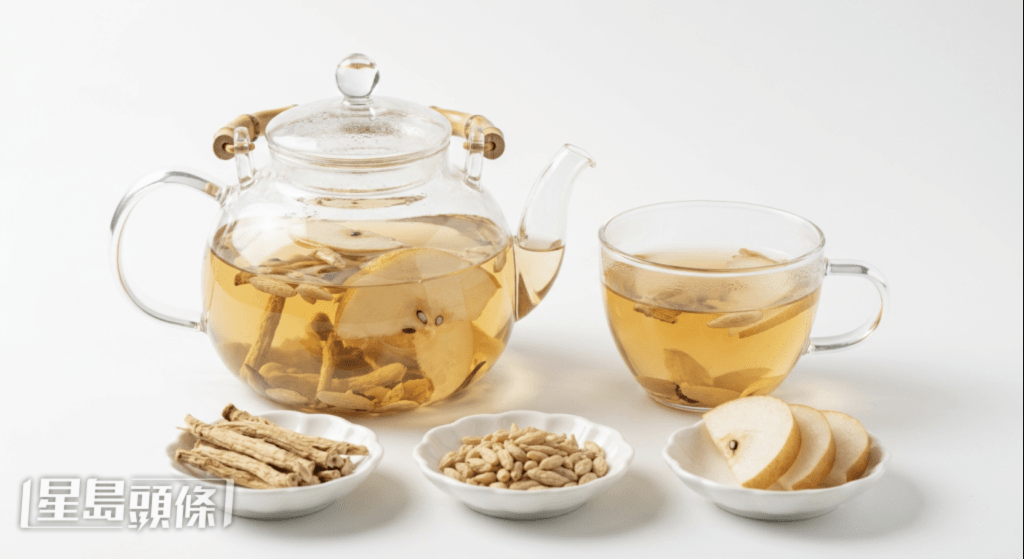
Glehnia and Ophiopogon Tea: 10g each of Glehnia root and Ophiopogon root, steep in boiling water for 15 minutes. Nourishes Yin, moistens lungs, and relieves dry, sore throat. You can add snow pear for enhanced moisturizing and a sweeter taste.
Honey Lemon Water: Add honey and lemon slices to warm water. Boosts immunity and relieves dry throat. (Note: Not suitable for those with acid reflux.)
Snow Pear and Monk Fruit Tea: Steep sliced snow pear with half a monk fruit. Sweet and refreshing, it moistens lungs and promotes fluid production.
You can also use Glehnia root, lily bulb, and American ginseng in soups or congee. For example, a simple Glehnia and Lily Bulb Lean Meat Soup, Glehnia and Goji Berry Congee, or Lily Bulb and Ginseng Congee—easy to digest, and helpful for nourishing the stomach and moisturizing dryness.
4. Gentle Exercise to Relieve Stress
The crisp autumn air is a great time for outdoor activities. Take a walk or jog along the waterfront, hike in country parks, or practice gentler exercises like Tai Chi or Baduanjin. Moderate exercise not only boosts immunity but also relieves the stress of urban life.
Health Tips: Through a balanced diet, moderate exercise, adequate sleep, and maintaining a happy, peaceful mood, you can help your body gradually adapt to autumn's drier climate and larger day-night temperature differences, laying a good foundation for winter health.
Author: Dr. Wang Yanping, Lecturer, School of Nursing and Health Studies, Hong Kong Metropolitan University





 Health