

 i_need_contribute
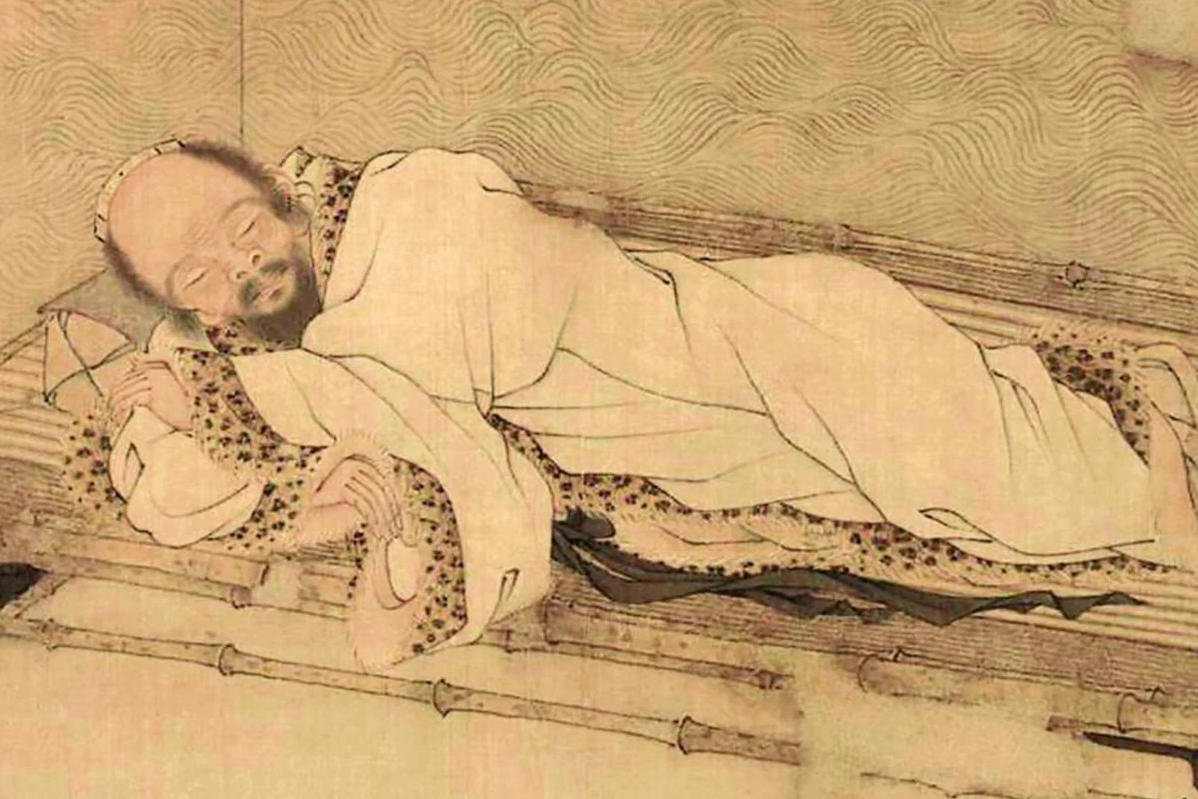
China's deep-rooted nap culture has evolved over thousands of years—transforming from an ancient medical philosophy into a daily lifestyle ritual. Photo: Sohu
China is a country that boasts daily naps despite its stressful work rhythm. In fact, such breaks are a traditional practice dating back thousands of years.
According to a survey by the China Sleep Research Society published in March, 72 per cent of Chinese people like an afternoon nap lasting at least 30 minutes.
The benefits of afternoon naps have been documented in China’s earliest medicine text Huangdi Neijing, or the Inner Canon of the Yellow Emperor, which is said to have been completed about 2,000 years ago.
The text suggests a solid sleep during the Zi hour, which is 11pm to 1am today, and a short nap during the Wu hour, which equates to 11am to 1pm.
Traditional Chinese medicine (TCM) theories believe that the Wu hour is the time of the day when the energy of yang, which stands for the sun and warmth, is at its peak.
They believe that the heat connects to a person’s heart, and a nap can strengthen that connection and nourish the heart.
The habit of an afternoon nap was so widespread that many ancient scholars wrote poems about it.
Chinese poet and politician of the Northern Song dynasty, Wang Anshi (1021–1086), wrote a poem titled Afternoon Nap, in which he complained that his good nap amid a gentle breeze was disturbed by an oriole bird.
Southern Song dynasty historian and poet Lu You (1125–1210) also wrote a poem titled Afternoon Nap. He wrote: “My eyes are sore and dim from sleepiness. I often yawn and regret not getting to bed sooner.”
Entering the 20th century, Chinese political leader Deng Xiaoping was also famous for taking naps.
Deng was reported to drink a little baijiu during lunch to ensure his nap quality.
Napping is not only a nobleman’s privilege. In ancient times, afternoon naps were not seen as slacking off work. In the traditional agrarian society, it was considered counterproductive to farm during the hottest time of the day.
Even during modern times amid China’s notorious 996 work culture, which refers to working 12 hours a day, six days a week, some labourers, who mockingly call themselves “cattle and horses”, bring folding beds and pillows to the office to enjoy a quality nap during their precious lunch break.
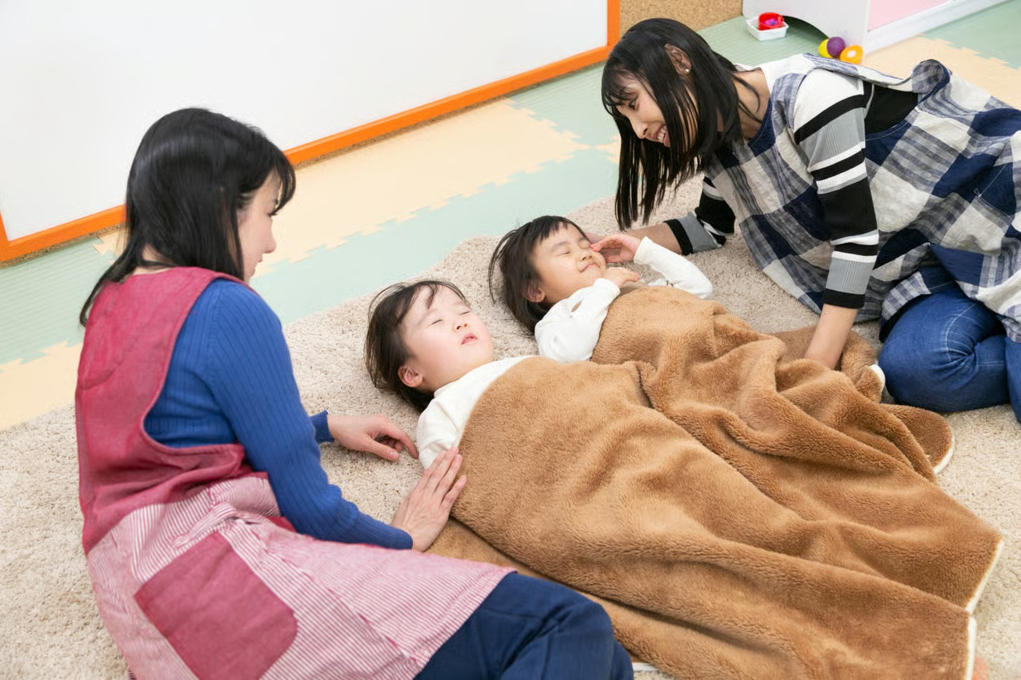
Daytime napping is scientifically proven to be essential for a young child’s brain development, emotional well-being, and physical growth. Photo: Shutterstock
Central China’s Shanxi province is known as the province of afternoon naps. Businesses – from restaurants to courier stations – close for hours in the afternoon to ensure staff get their nap time. Locals there are also famous for their exceptional skill of sleeping anytime, anywhere.
However, TCM believes that shorter naps, which last around 30 minutes, are better than longer ones.
It also suggests not napping right after lunch. What’s more, nap position also matters greatly to general health.
According to the Hospital of Chengdu University of TCM, napping at your desk harms the body, affects the cervical and lumber regions of the spine, restricts breathing and impairs sleep quality that might cause anxiety.
It also advises getting up slowly and doing some light physical activity after napping, to help the body return to its normal physiological state.





 Health