

 i_need_contribute
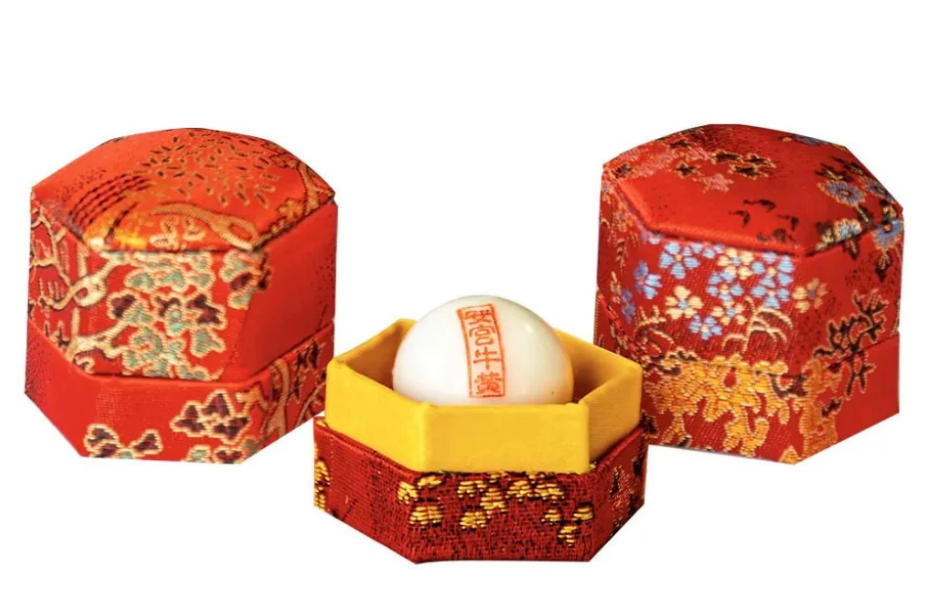
In the world of traditional Chinese medicine (TCM), few remedies carry the legendary status – or the hefty price tag – of Angong Niuhuang Wan, often referred to as the “miracle pill”.
The old formula, consisting of 11 herbs and minerals, has long been revered as a top-grade emergency medicine, historically used to treat those who have had a stroke or may be about to have one.
According to the World Stroke Organization’s 2025 Global Stroke Fact Sheet, stroke remains a critical global health challenge, with 11.9 million new cases occurring annually and 93.8 million people currently living with the long-term aftermath of the condition.
The Hong Kong Stroke Fund says that about 25,000 new stroke cases occur in the city each year, with 3,500 stroke-related deaths.
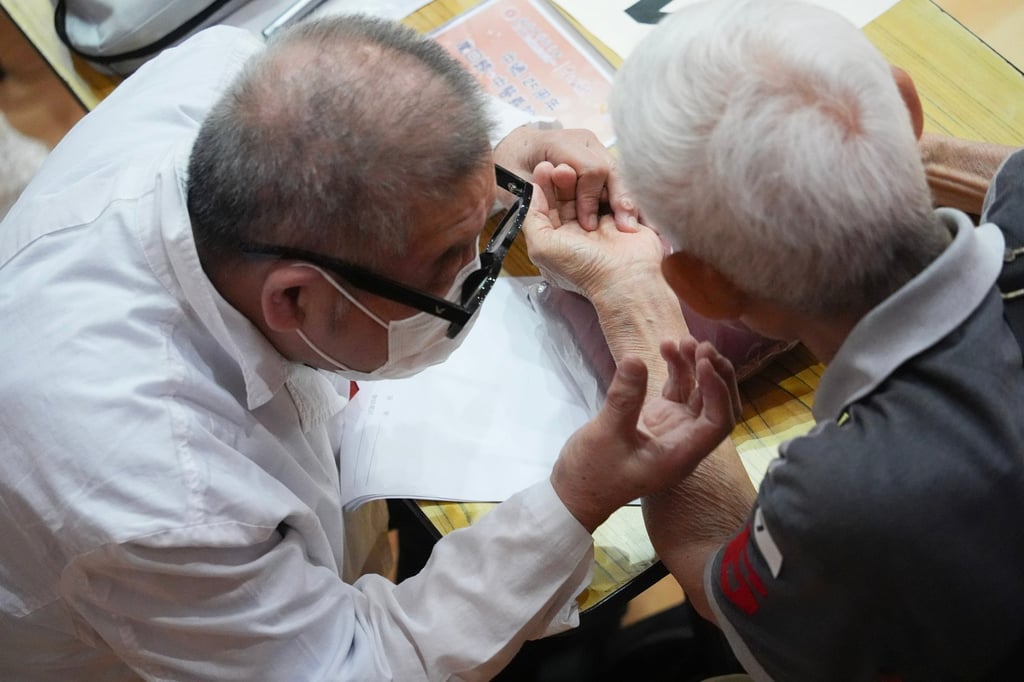
A traditional Chinese medicine practitioner checks an elderly man. According to the Hong Kong Stroke Fund, about 25,000 new stroke cases occur in the city each year. Photo: Eugene Lee
That is why Angong Niuhuang Wan has been a fixture in many Chinese households for generations, particularly those with elderly family members. Similar gold-foil-wrapped traditional medicine pills are used in other parts of Asia, such as South Korea.
Angong Niuhuang Wan commands a high price. Even at a common chemist chain in Hong Kong, the cheapest pills are priced at HK$998 each online.
So why is it so expensive, and does it really work?
The recipe was published in 1798 in the medical treatise Wenbing Tiaobian – the Systematised Identification of Warm Diseases – by Wu Jutong, one of the four great physicians and masters of the school of seasonal warm diseases.
In 1870, the formula was adopted by pharmaceutical giant Tong Ren Tang, today China’s largest retailer of TCM. The company was founded in 1669 as the Imperial Court’s sole supplier.
The pill is a rescue drug meant to be taken during the initial critical period immediately following the onset of stroke symptoms.
The pill’s name is a literal description of its purpose and its star ingredient. Angong translates to “peace” and “palace”, the latter of which refers to the pericardium, or the sac around the heart that, in TCM theory, houses the mind. Together, it means to “calm the palace”, meaning to protect the brain and restore consciousness.
Although the “palace” refers to the heart sac, modern TCM and Western practitioners emphasise that this is a drug meant to treat neurological (brain) issues, and is not a treatment for a heart attack.
Niu is the Chinese word for “ox”, and huang means “yellow”. Together, niuhuang is the pharmaceutical term referring to calculus bovis – gallstones formed in cattle. Wan is the literal translation of “pill”.
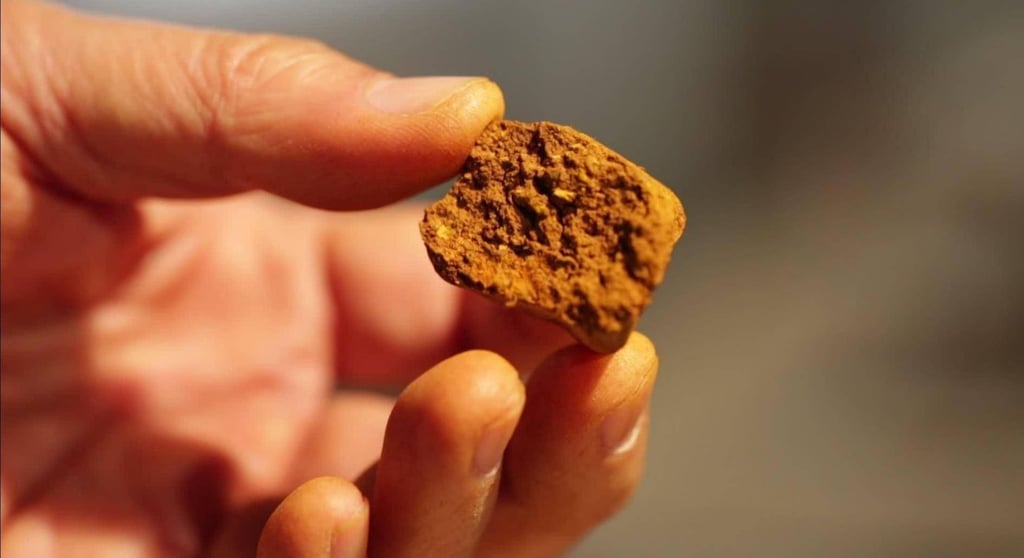
Cattle gallstones, or niu huang, are a prized ingredient in TCM and feature in Angong Niuhuang Wan. Photo: Soho/APP
In TCM, cattle gallstones are highly valued for their purported ability to clear heat and resolve phlegm. Due to the scarcity of these rocklike formations – they occur naturally in less than 1 per cent of cattle – they are one of the most expensive ingredients in TCM, which has led to surgical harvesting from cattle and the development of cultured alternatives.
The pill’s other key – and expensive – ingredients include rhinoceros horn and musk derived from the dried secreted-scent gland sac of the male deer. Both of these ingredients are just as prized as cattle gallstones.
These days, buffalo horn is more commonly used than rhinoceros horn due to the increased protection of the latter.
The ingredients are ground into a fine powder and mixed together with honey to form pills weighing three grams (0.11 ounces) each. These pills are then coated in gold foil, which serves as both a preservative and a traditional “spirit-calming” heavy metal sedative, and then encased in wax.
The pill is not swallowed whole; it must be dissolved in a small amount of warm water and consumed as a liquid. It should not be given to a patient who is unconscious or unable to swallow, as this could lead to choking or lung infections.
A 2024 study supported by the National Natural Science Foundation of China found that the pill helps regulate blood flow in the brain after an ischemic stroke – the kind caused by a blocked blood vessel. It was found to do this by addressing key circulatory problems: poor blood delivery, stiff blood vessels and blockages in the brain’s smallest vessels.
Various brands have touted the pill’s ability to prevent strokes and acute cardiovascular incidents, leading many to mistakenly use it as a daily health supplement. However, experts say it should not be taken to prevent strokes or cardiovascular diseases.
Michelle Zhang, a TCM practitioner at the Oriental Health Chinese Medicine Clinic in Hong Kong’s Central neighbourhood, emphasises the dangers born of this widespread misconception, warning that excessive consumption can have serious consequences.
“Most people are not informed about the proper usage of the pill,” she says. “My older patients may receive it as a gift, and because they know that it is very expensive, they use it so the medicine won’t go to waste.”
According to the Hong Kong Department of Health, strict dosage control is required for the formula, which contains realgar and cinnabar. Realgar contains arsenic trisulphide, while cinnabar contains mercury sulphide, both of which can lead to poisoning and organ damage if taken over an extended period.
Health authorities in Hong Kong and Singapore, as well as at the United States Food and Drug Administration, have also issued advisories warning of potential mercury and arsenic accumulation from ingesting the pills.
Zhang stresses that Angong Niuhuang Wan is strictly for emergency use within the critical “golden period” – the 60-minute window immediately following the onset of stroke symptoms in which rapid actions can drastically improve survival rates, minimise long-term disability and prevent irreversible brain damage. The window for maximum efficacy is generally considered the first 4.5 hours.
When administered correctly during this time frame, the drug may help prevent permanent brain damage.
A 2022 study on rats published in the journal Chinese Medicine by the University of Hong Kong’s School of Chinese Medicine found that the drug could extend the life-saving clot-busting treatment window by 30 minutes while reducing brain swelling, bleeding risk and death.
A 2021 study on rats at Hong Kong Baptist University suggested that, when used as a protective pre-treatment, the drug significantly shields the brain from damage and preserves its function during a subsequent stroke.
While many people keep the drug at home for emergencies, consultation with a registered Chinese medicine practitioner is crucial before taking it, as it is not suitable for all stroke cases.
In TCM, strokes are differentiated by patterns, primarily by “heat” or “cold” syndromes. Angong Niuhuang Wan, with its cold-natured properties believed to calm the mind and cool the body, is suitable for the first, as it works to counteract “heat” symptoms such as high fever and facial flushing.
“If you take it for the cold type of stroke, it will definitely have adverse effects and worsen the patient’s condition,” Zhang warns. “Without the help of a professional, it is very hard for ordinary people to differentiate, and that is why this medicine can be dangerous.”
The pill provides only a temporary measure, not a cure, and she urges anyone experiencing a stroke to seek medical care immediately.
Zhang says that while trust in the old remedy remains high, there is inadequate public education regarding its application.
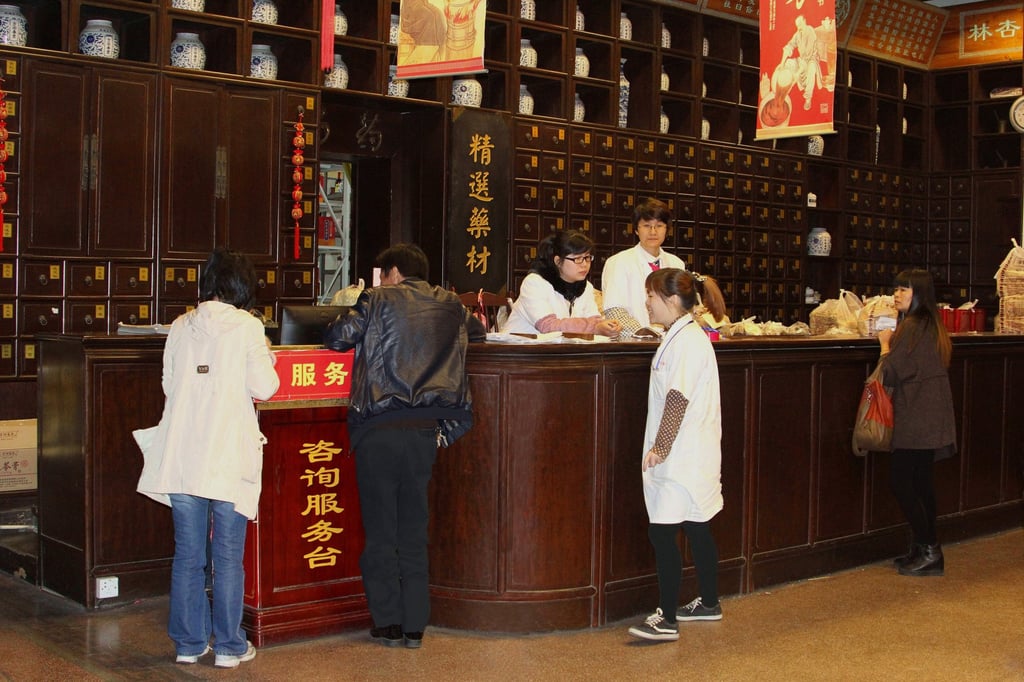
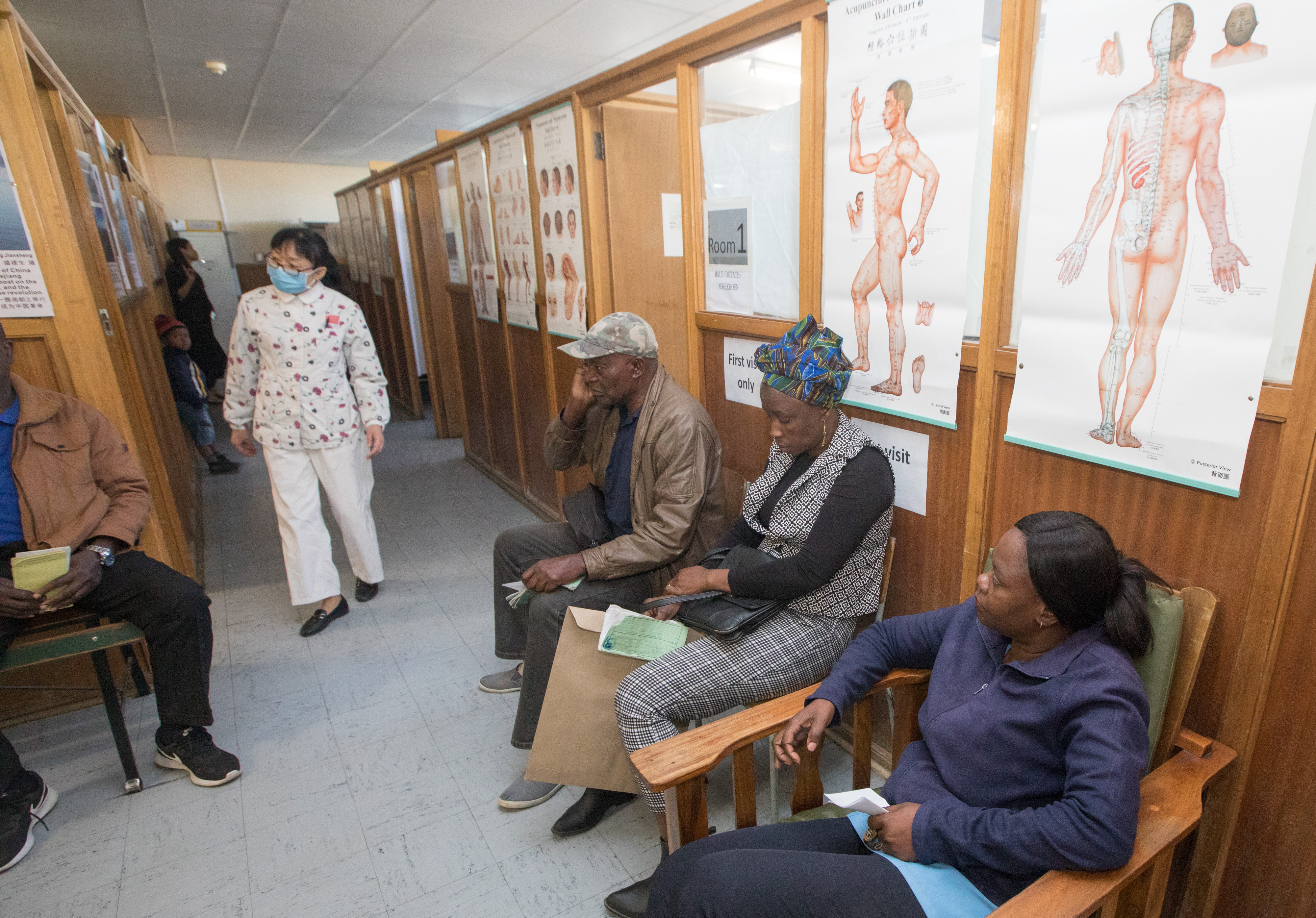
Patients and workers at a TCM clinic in Hangzhou, China. Photo: Shutterstock
Many people have faith in Chinese medicine, she says, especially in formulas like these that have existed for hundreds of years or more.
“It is a very valuable part of our culture,” she says.
“That is why it is so important for us to share accurate information, because using the medicine properly and seeing positive results gives people confidence that traditional practices still work.”



 Medicine