

 i_need_contribute
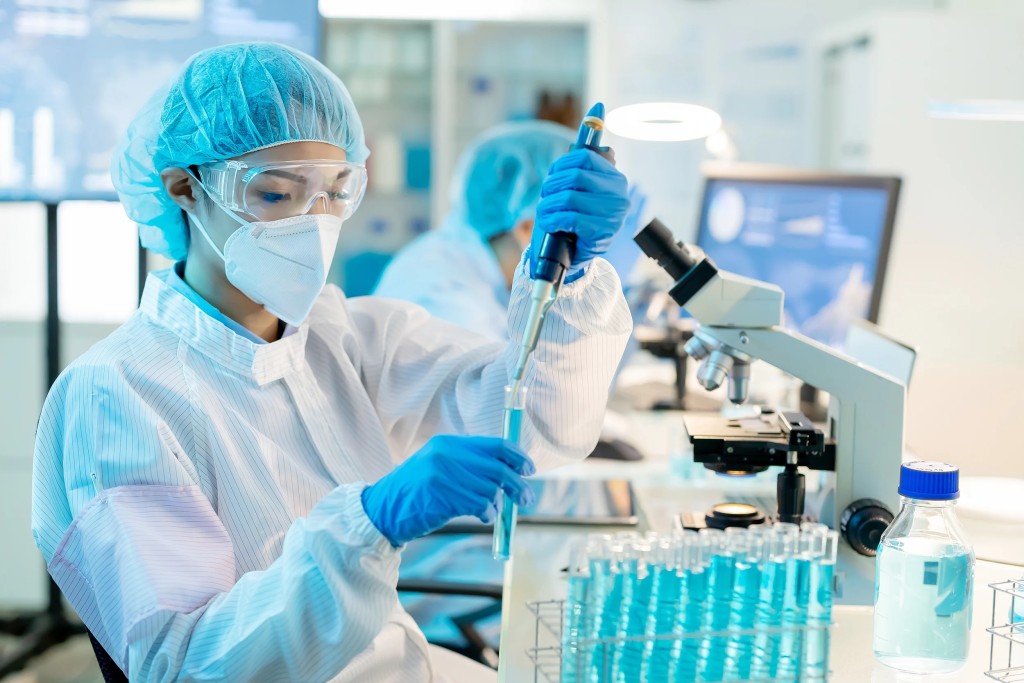
Delivering his annual Budget, Chan said the government is actively advancing the integrated development of life and health technology across upstream research and development, midstream commercialization and downstream industrialization.
On upstream R&D, Chan said the government will adopt a “One plus Three” model, comprising the headquarters of the Life and Health Technology Research Institutes to be set up at the Hong Kong Park of the Hetao Co-operation Zone, along with three branch institutes to be established by local universities. In addition, several R&D centers have been established under the InnoHK research clusters.
For midstream transformation of research outcomes, Chan said the Research, Academic and Industry Sectors One-plus (RAISe+) Scheme has already supported 15 projects, helping bridge the gap between laboratory research and market application.
At the downstream level, three major innovation and technology parks now host nearly 500 enterprises and organizations related to life and health technology, forming what Chan described as a vibrant ecosystem.
A key development in clinical research is the Greater Bay Area International Clinical Trial Institute located at the Hetao Hong Kong Park. The institute has launched a collaboration platform with its counterpart in the Shenzhen Park, providing a one-stop clinical trial support platform that brings together researchers and integrates databases to promote the research and development of biomedicine and vaccines.
Chan said the International Clinical Trial Academy, to be established next year, will facilitate the globalization of the mainland’s biomedicine technologies while attracting overseas investment. The initiative is expected to strengthen Hong Kong’s role as a bridge between the mainland and international markets in medical innovation.
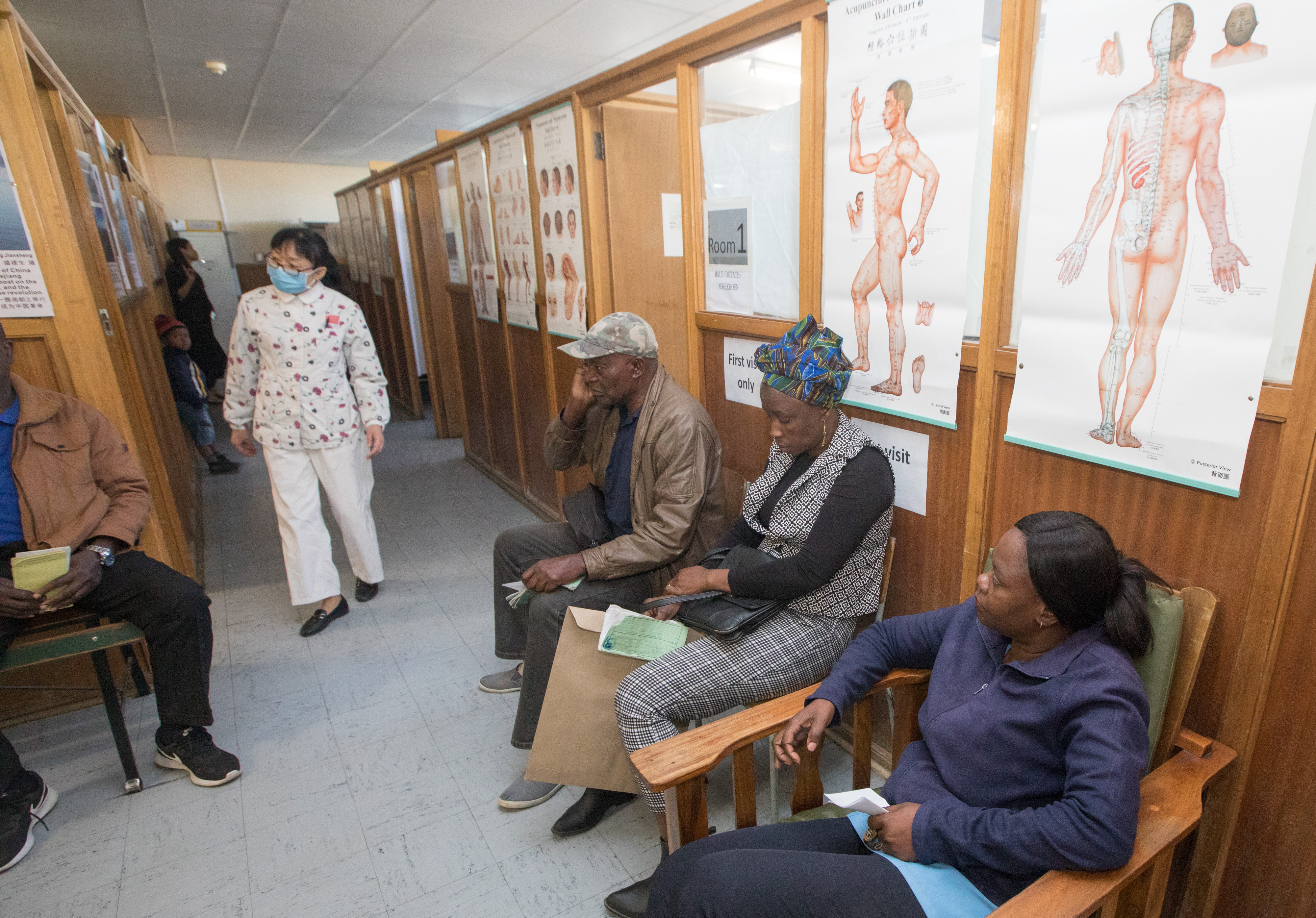
On traditional medicine, Chan said the Chinese Medicine Development Blueprint sets out the vision for comprehensive, high-quality and high-standard development of Chinese medicine in Hong Kong. To support strategic research, professional training and international promotion, the government will inject HK$500 million into the Chinese Medicine Development Fund.



 Medicine