

 i_need_contribute
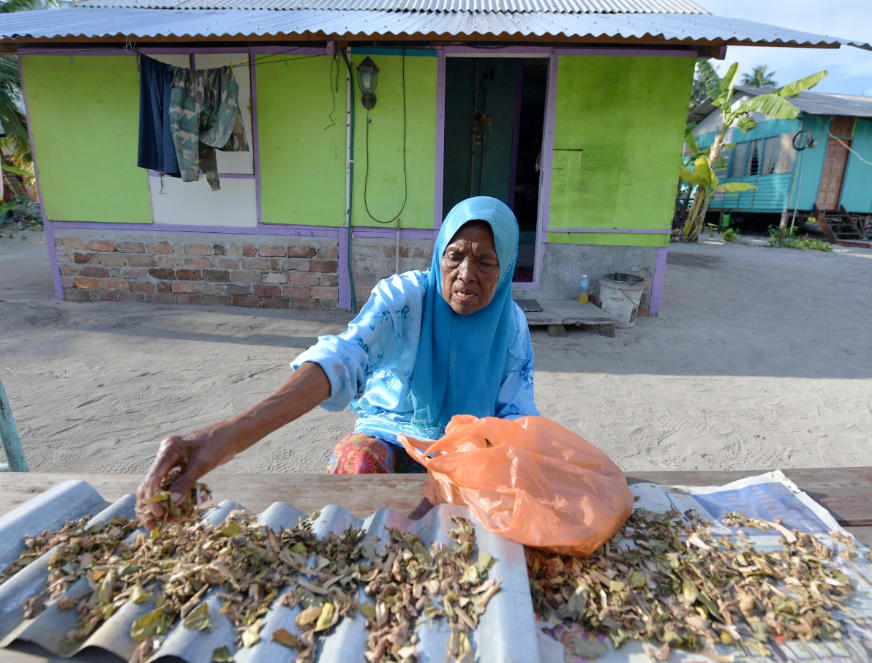
Picture for representation purposes only – BERNAMA Pic
As herbal wellness products gain commercial traction, companies must ensure that the communities behind the knowledge are properly acknowledged and protected from exploitation, said former DPP and lawyer Chan Quin Er.
She said the Access to Biological Resources and Benefit Sharing Act 2017, or Act 795, which came into effect in 2020 following Malaysia’s commitment to the Nagoya Protocol, provides a framework for protecting such interests.
She added that under the law, those seeking to use a community’s biological resources or traditional knowledge may need a permit, the community’s agreement and a written fair benefit-sharing arrangement.
Chan cited Kacip Fatimah, traditionally used by Malay women for generations, as an example of the questions that arise when traditional remedies become commercial products.
She said the issue went beyond getting products onto shelves to whether the resulting income reached growers and communities, stressing the need for fair agreements that protect all parties, with communities properly informed and involved in decisions affecting their resources and knowledge.
Chan was speaking during a panel discussion titled “Big Brands Go Natural: Genuine Transformation, Clever Marketing or a Better Future?” at the Herbal Asia Business Conference 2026 on Nov 18.
theSun managing editor Himanshu Bhatt said the industry must recognise the origins of traditional remedies and ensure that indigenous communities benefit when their knowledge is commercialised.
“I think that industry should accord due respect and recognition to indigenous knowledge, and conduct itself by having fair benefit-sharing.”
Himanshu said much of Malaysia’s traditional medicinal knowledge, including practices in Peninsular Malaysia and Borneo, remained undocumented institutionally, leaving it vulnerable to exploitation as commercial interest in herbal products grew.
He said he felt strongly about cultural appropriation and commodification, warning against companies taking centuries-old traditional knowledge, repackaging it for the modern market and profiting without adequately recognising its origins.
“(That’s when) industries take a traditional knowledge that has accumulated over millennia or centuries and put it in a package with nice labels. Isn’t this exploitation for profits?”
He proposed that Malaysia develop an inventory of traditional medicines from local and indigenous cultures, with the information made publicly accessible through a digital database.
Citing India’s Traditional Knowledge Digital Library as an example, he highlighted Yashtimadhu, an Indian herb that his grandmother and mother used when he was growing up.
Himanshu said the loss of traditional knowledge was less visible than environmental destruction but no less significant, particularly when commercial interests failed to acknowledge the communities behind it.
He also cautioned that growing demand for herbal products could place pressure on the natural resources from which their ingredients were derived.
He cited Shilajit, an organic Himalayan substance that had recently been offered to him in Nepal.
He said the way it was collected from high-altitude mountain areas raised concerns about the sustainability of such harvesting practices, particularly when companies contracted villagers to gather it for mass markets.
He said companies must take responsibility for sourcing their ingredients, including the impact that harvesting has on local ecosystems and communities.
He warned that the consequences of commercial exploitation extended beyond the quality of the final product.
“The market eventually would react to the quality of that product. But what’s the point when the damage to the source has already been done? The exploitation has already taken place.”
Himanshu called for stronger regulation, greater corporate responsibility and more empowerment for indigenous and local communities over their medicinal heritage.
Malaysia Healthcare Travel Council vice-president Dr Sharifa Shahreen Sultan raised concerns about consumer safety and claims made by herbal wellness brands.
She said natural ingredients were not automatically safe or effective, stressing that consumers needed clear information on ingredients, scientific evidence, dosage and individual health conditions.
“Companies have a responsibility beyond selling products. They need to educate their customers, they need to provide transparency and they have to ensure that what they are promising or what they are selling is actually supported by evidence.”
Sharifa said product quality depended on how herbs were cultivated, harvested and processed, not merely on how they were presented to consumers.



 Medicine