


 i_need_contribute
Chinese Herbal Nanomedicine Targets Complex Diabetic Wound Pathology
The study, authored by Zhiqun Hong and colleagues, examines how traditional herbal formulations are being modernized through advanced biomaterials and nanotechnology to address the multifactorial nature of chronic non-healing ulcers. The authors argue that conventional therapies often fail to disrupt the self-perpetuating pathological cycle of diabetic wounds, creating an urgent need for integrated, multi-target therapeutic strategies that can simultaneously manage inflammation, oxidative stress, and tissue repair.
Diabetic wounds represent one of the most intractable complications of diabetes, characterized by a highly complex microenvironment. The review details how persistent hyperglycemia disrupts four key metabolic pathways: the polyol pathway, the hexosamine pathway, protein kinase C activation, and the formation of advanced glycation end products (AGEs). These metabolic disturbances collectively lead to excessive production of reactive oxygen species (ROS) and chronic inflammation, which in turn exacerbate impaired angiogenesis, peripheral neuropathy, and immune dysregulation. This interconnected network of dysfunctions creates a hostile environment that resists standard interventions such as debridement and negative pressure wound therapy.
The review highlights that CHM offers a holistic approach suitable for this complexity due to its diverse array of bioactive ingredients, including polysaccharides, saponins, flavonoids, alkaloids, and phenolics. These compounds exert pleiotropic effects, meaning they can modulate multiple pathological pathways simultaneously.
Despite the pharmacological potential of these ingredients, the clinical translation of raw herbal preparations is frequently hindered by poor bioavailability and rapid degradation at the wound site. Conventional topical formulations, such as decoctions and powders, suffer from uncontrolled release kinetics and an inability to maintain the optimal moist healing environment required for chronic wounds. The review identifies these limitations as the primary driver for the development of innovative delivery platforms, specifically CHM-loaded hydrogels and CHM-derived plant exosome-like nanovesicles (PELNs), which aim to overcome the barriers of stability and targeted delivery.
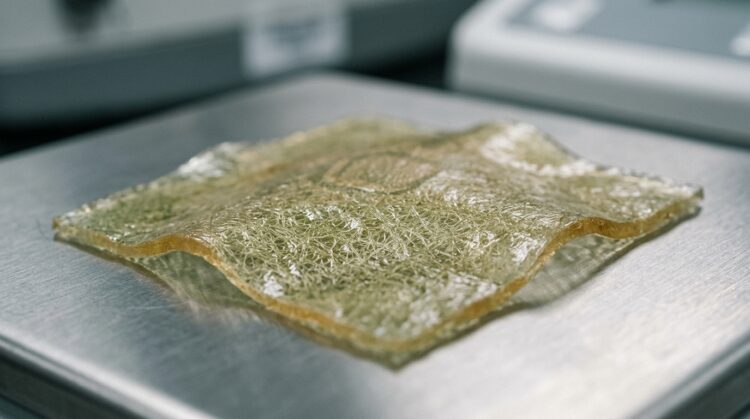
CHM-loaded hydrogels are presented as a transformative framework for next-generation wound interventions. These three-dimensional cross-linked polymer networks, formed from natural or synthetic hydrophilic monomers, offer excellent biocompatibility, moisture retention, and oxygen permeability. The porous structure of hydrogels acts as a reservoir for the sustained release of herbal bioactives, protecting sensitive components from enzymatic degradation in the protease-rich microenvironment of diabetic ulcers.
Recent research has further advanced the field with the development of stimuli-responsive hydrogels that adapt to the dynamic microenvironment of diabetic wounds. These intelligent materials are engineered to respond to specific pathological cues such as pH fluctuations, ROS levels, and hyperglycemia. A dual-responsive hydrogel based on hydroxybutyl chitosan and 4-carboxyphenylboronic acid, for instance, exhibited faster curcumin release under hyperglycemic and acidic conditions, with 51.3% release in high glucose versus 16.6% in normoglycemia. This adaptive release mechanism allows for precise, on-demand therapeutic intervention, minimizing off-target effects and enhancing the efficacy of the herbal actives at the site of injury.
In parallel, CHM-derived plant exosome-like nanovesicles (PELNs) are emerging as natural nanocarriers that enhance cellular uptake and molecular signaling. These vesicles, typically ranging from 30 to 200 nm in diameter, possess a lipid bilayer structure similar to mammalian cell membranes, conferring superior biocompatibility and low immunogenicity. PELNs encapsulate a variety of cargos, including microRNAs, proteins, and small-molecule ingredients, which mediate intercellular communication and gene regulation. Ginseng-derived exosomes, for example, promote angiogenesis by enhancing anaerobic glycolysis and reducing oxidative stress, with uptake rates approaching 39.8% within three hours in endothelial cells.
The review also explores the neuroprotective and immunomodulatory roles of specific CHM ingredients in the context of diabetic neuropathy and immune dysregulation. In the immune system, compounds like puerarin and astragaloside IV facilitate the shift from pro-inflammatory M1 macrophages to reparative M2 macrophages, a critical step in resolving chronic inflammation. These mechanisms collectively address the sensory deficits and immune dysfunction that perpetuate the chronicity of diabetic wounds.
Antimicrobial and anti-biofilm activities of CHM ingredients are also highlighted as crucial for managing recurrent infections, a major challenge in diabetic wound care. Phenolic compounds and polyphenols, including resveratrol and curcumin, disrupt bacterial cell membranes and inhibit biofilm formation, which shields pathogens from host immune cells and antibiotics. Berberine, a protoberberine alkaloid, has been confirmed in diabetic wound models to inhibit biofilm formation by compromising bacterial cell wall integrity.
While the preclinical evidence for CHM-loaded hydrogels and PELNs is promising, the review emphasizes that the current literature remains predominantly in the proof-of-concept stage. Most studies evaluate these innovative platforms against untreated or vehicle controls rather than against traditional herbal counterparts. The authors note that large-scale, multicenter randomized controlled trials are urgently warranted to validate the safety, optimal dosing, and therapeutic effectiveness of these platforms in human patients. Rigorous comparative effectiveness trials are essential to confirm the mechanistic superiority suggested by independent pharmacokinetic studies and to standardize outcome metrics for clinical application.
The study also points to the need for further systematic exploration using advanced technologies such as transcriptomics, proteomics, and single-cell sequencing to clarify network-level mechanisms of action. These tools could help identify novel molecular targets and guide the rational design of next-generation biomaterials. The integration of traditional herbal wisdom with cutting-edge bioengineering offers a robust framework for the modernized management of diabetic wounds, but effective translation from bench to bedside will require continued collaboration among herbal pharmacologists, materials scientists, clinicians, and regulatory agencies.
In conclusion, the review underscores the potential of CHM and its advanced delivery platforms to overcome the clinical and mechanistic barriers in diabetic wound healing. By bridging traditional empirical knowledge with modern nanotechnology, these strategies aim to provide integrated, multi-target therapies that can break the vicious cycle of non-healing. The development of standardized, evidence-based CHM-based wound therapies represents a significant frontier in regenerative medicine, with the potential to reduce the substantial clinical and socioeconomic burdens associated with diabetic complications.
Subject of Research: Advances in Chinese herbal medicine for diabetic wound treatment: from tradition to innovation
Article Title: Advances in Chinese herbal medicine for diabetic wound treatment: from tradition to innovation
Article References: Hong, Z., Liu, X., Liu, B., Hu, Y., Li, H., Yan, Z., & Li, B. (2026). Advances in Chinese herbal medicine for diabetic wound treatment: from tradition to innovation. Chinese Medicine, 21(1), Article 206. https://doi.org/10.1186/s13020-026-01480-3
Image Credits: AI Generated
DOI: 10.1186/s13020-026-01480-3
Keywords: Advances, Chinese, herbal, medicine, diabetic, wound, treatment, tradition, innovation, scientific research
News Source: Ophelia Keating. (November 9, 2026). Chinese Herbal Nanomedicine Targets Complex Diabetic Wound Pathology. Scienmag.




 Research