

 i_need_contribute
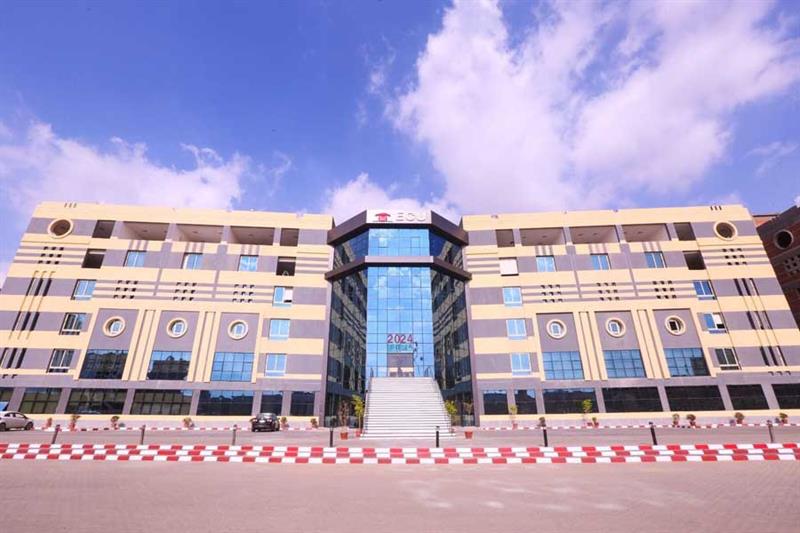
The 10th anniversary celebration of the Egyptian Chinese University (ECU) coincides with the 70th anniversary of the establishment of diplomatic relations between Egypt and China, giving the occasion special significance. The university represents one of the important milestones in the development of Egyptian-Chinese relations, embodying the continuous progress witnessed by the strategic partnership between the two countries in various fields, particularly education, culture, and scientific research.
The ECU affirmed that education represents one of the most important sustainable bridges for building partnerships between peoples, and that universities and academic institutions play a pivotal role in transforming political and economic relations into scientific and cultural cooperation whose impact extends to future generations.
The ECU is unique in being the only university in Egypt, the African continent, and the Middle East to bear China’s name, reflecting the distinctive nature of its mission and its role in building academic and cultural bridges between the Egyptian and Chinese peoples.
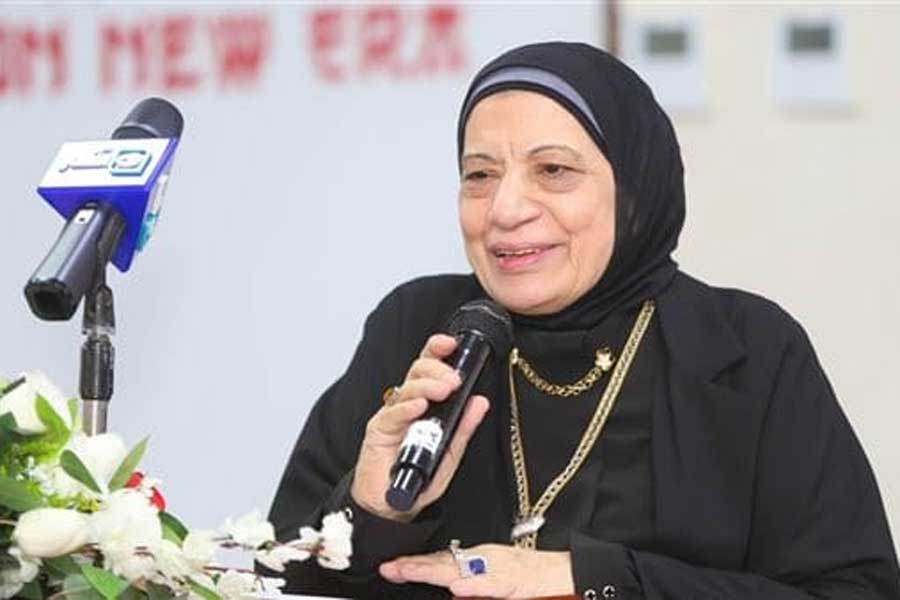
Dr Karima Abdel-Karim, president of the Board of Trustees of the ECU, stressed that Egyptian-Chinese relations represent a distinguished model of international relations based on mutual respect, friendship, cooperation, and mutual interests. She pointed out that the visit of Chinese President Xi Jinping to Egypt and his meeting with President Abdel-Fattah Al-Sisi assert the deep historical bonds between the two countries and strengthen their strategic partnership across various fields.
She stated that higher education and scientific research have become among the most important bridges through which these relations can extend to broader horizons, enabling the partnership between the two countries to evolve from established historical relations into sustained institutional cooperation that serves future generations.
She added that, as it celebrates 10 years since its establishment, the ECU has been keen to serve as an important window onto Egyptian-Chinese relations and to reflect the depth of these relations through its educational mission. This has involved benefiting from advanced Chinese expertise in the fields of education, technology, innovation, industry, and scientific research, while working to transfer this expertise and knowledge to Egyptian youth and contributing to the preparation of generations capable of competing in the labour market, both locally and internationally.
She clarified that the choice of the name “Egyptian Chinese University” was not merely an expression of an educational partnership, but rather reflected a vision aimed at building a knowledge and civilisational bridge between the Egyptian and Chinese peoples. She noted that relations between the two countries extend back many decades and have witnessed significant development across various fields in recent years, with education playing a fundamental role in opening new avenues for cooperation, exchanging expertise, and building bridges of communication between young people and academic institutions.
She pointed out that the passage of 10 years since the university’s establishment represents an important milestone for reviewing its achievements, while at the same time marking the beginning of a new and more ambitious phase aimed at continuing to develop its educational and research systems, strengthening its relations with Chinese universities and academic and research institutions, and expanding areas of international cooperation in a manner that adds value to students, society, and the state.
For her part, Professor Dr Rasha El-Kholi, president of the ECU, said that the university was established to serve as an academic window reflecting the depth of relations between the two countries and to benefit from Chinese educational and research expertise while adapting it to the needs of the Egyptian state and the labour market.

Dr El-Kholi pointed out that the university had established a specialised Office for Sustainable Development and International Classification to support its efforts to achieve the Sustainable Development Goals, improve performance indicators, and advance its position in international rankings according to clear scientific standards.
She added that the university’s progress in international rankings was the result of collective efforts involving faculty members, researchers, students, and the administrative apparatus. She stressed that work would continue to improve performance indicators in the fields of education, scientific research, innovation, internationalisation, and sustainability.
Dr El-Kholi clarified that Chinese educational institutions possess advanced expertise in the fields of technology, engineering, applied sciences, medicine, pharmaceuticals, and innovation, and that cooperation with them represents a qualitative addition to the Egyptian higher education system, particularly when based on the exchange of expertise, training, joint scientific research, and the exchange of students and faculty members.
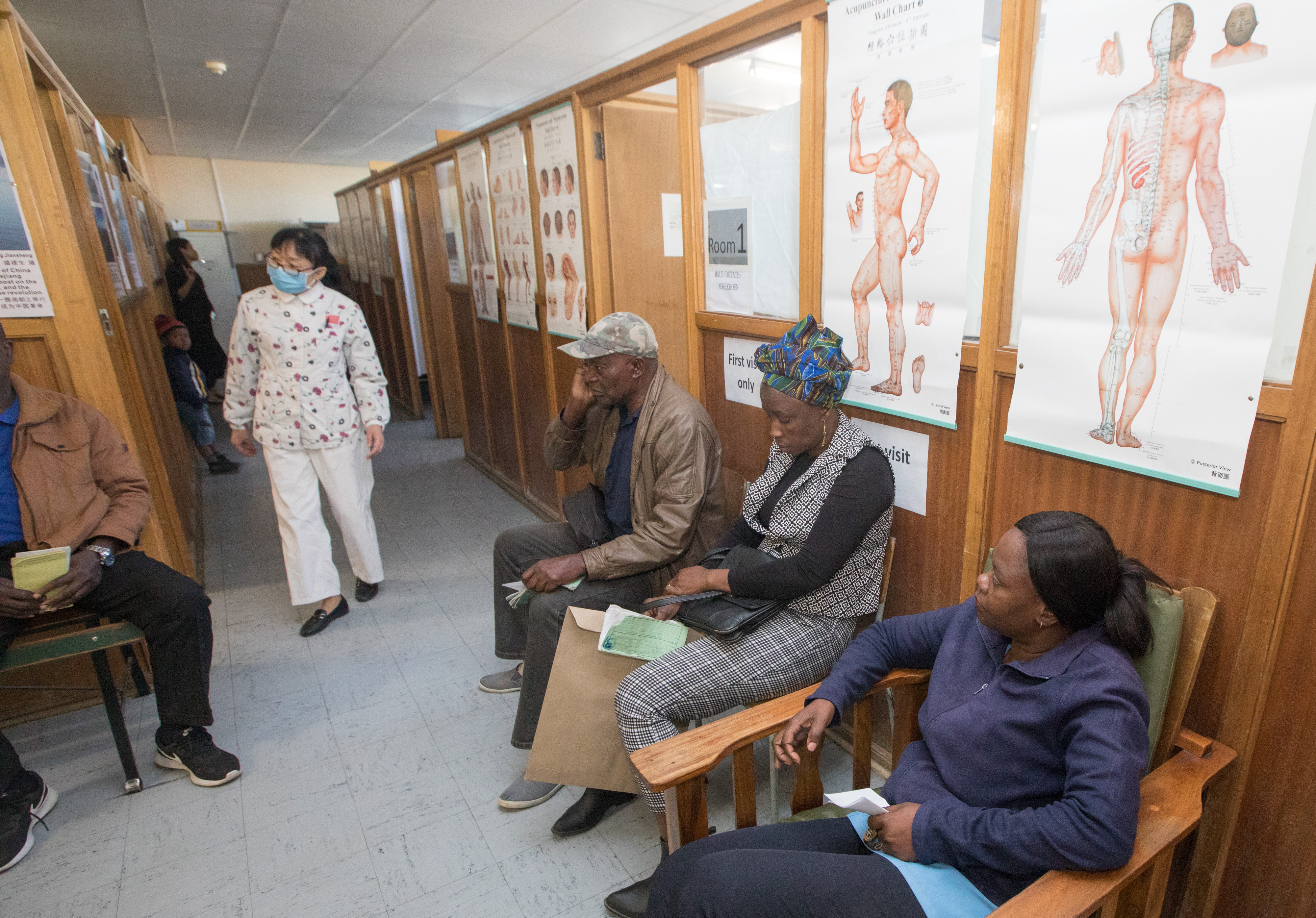
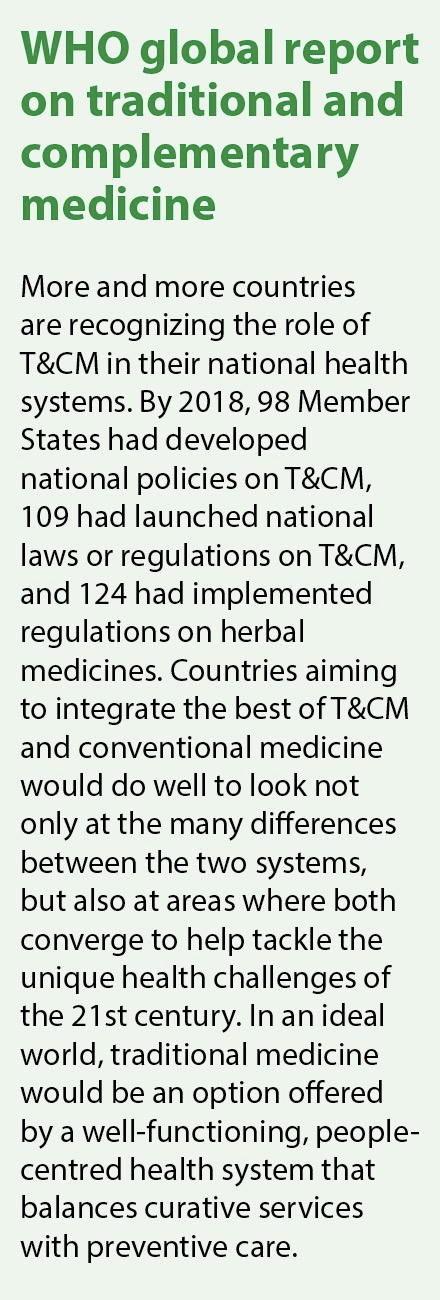
She added that the university has established a Centre for Traditional Chinese Medicine in cooperation with a Chinese institution, in addition to a virtual laboratory for traditional Chinese medicine, reflecting the distinctiveness of the Egyptian-Chinese experience and the university’s commitment to benefiting from Chinese expertise and developing it in line with the Egyptian environment.




 Medicine