

 i_need_contribute

Traditional Chinese medicine and Western prescription drugs are often used together in Hong Kong, but patients may not always know the impact of the combination. Photo: Shutterstock
An elderly woman with a mechanical heart valve was taking warfarin, a blood thinner to prevent and treat blood clots, when she began using the Chinese herb danshen, often marketed for “blood circulation”. Her blood lost its ability to clot normally, resulting in severe bleeding complications.
The case, which Dr Raymond Wong Siu-ming encountered as a consultant at the Prince of Wales Hospital’s Poison Treatment Centre and a lead expert with the Integrated Chinese-Western Medicine Treatment Safety Centre, illustrates an increasingly common blind spot: Chinese medicine and Western prescription drugs are often used together, but patients may not always know the impact of the combination.
For many Hongkongers, Chinese medicine is not an alternative so much as part of everyday life: a chrysanthemum tea, a bowl of tonic soup, a session of cupping, a proprietary pill bought from a pharmacy. The crucial distinction is not whether something is “natural”, but whether it is used as food, symptom relief or as a concentrated treatment alongside medicines that have their own powerful effects.
“Just because a product can be bought over the counter does not mean it is automatically safer,” says Dr Phoebe Zhou, senior research fellow at the NICM Health Research Institute at Western Sydney University in Australia. “The level of risk depends on the product, its ingredients, how much is taken, how long it is used and the individual person.”
This is important for people taking multiple medicines or those with liver or kidney problems. Zhou also flags medicines for diabetes and cancer, as well as antibiotics and anti-inflammatory drugs, as categories in which potential interactions have been reported. But she stresses that many reports come from laboratory or animal research; a possible interaction is not necessarily proven in people.
The underlying mechanics are not unique to Chinese herbs. Popular Western supplements can alter how the body processes prescription drugs, either weakening their efficacy or amplifying side effects.
St John’s wort (Hypericum perforatum) is one of the world’s most consumed medicinal plants and is used in both Chinese and Western medicine.
In traditional Chinese medicine (TCM) – where it is known as guan ye lian qiao in Mandarin and gwun yip lin kiu in Cantonese – it belongs to the group of plants that clarify heat. It is also used to treat infection and inflammation, and is recommended to help manage symptoms of depression and mood disorders. In Western countries, it is primarily used as an herbal remedy and dietary supplement, and is sometimes promoted for menopausal symptoms, anxiety and sleep disorders.
This herb, however, speeds up how the liver breaks down medication, reducing the effectiveness of birth control pills, blood thinners, and drugs for depression or organ transplants.
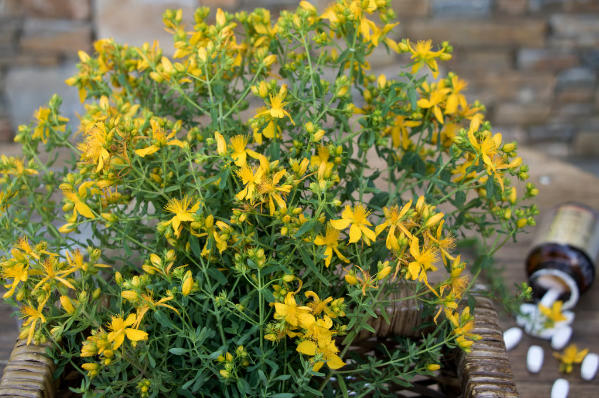
St John’s wort is one of the world’s most consumed medicinal plants. Photo: Shutterstock
Similarly, supplements containing concentrated green-tea extracts, used primarily for weight management, fat loss and antioxidant support, can lower the absorption of certain blood pressure drugs, while goldenseal – a Western supplement for treating colds, respiratory infections, digestive issues, and skin or eye irritations – may reduce the effectiveness of metformin, a widely prescribed diabetes medication.
To reiterate, many documented interactions stem from lab or animal studies and may not always manifest the same way in humans. However, for anyone managing diabetes, high blood pressure, depression or cancer, any concentrated herb or extract – whether Eastern or Western – should be treated as an active treatment requiring a professional check, rather than a harmless wellness add-on.
Familiar remedies are generally less likely to create a serious herb-drug interaction than medicinal-strength products. A mild tea or tonic soup used occasionally is not the same as a raw herb decoction, a concentrated granule or an extract-containing proprietary Chinese medicine.
That is not a licence to assume food therapy is risk-free, though. “Herbal medicines are often made up of many different ingredients,” Zhou says. “If a problem occurs, it can be difficult to know which ingredient caused it.”
The picture becomes more complicated when a person is taking several medicines, herbs and supplements simultaneously, or uses a product for weeks or months without obvious symptoms.
The most dangerous interactions involve drugs with a narrow therapeutic window, particularly anticoagulants and antiplatelet drugs used to prevent clots, strokes and heart attacks. The blood thinner warfarin is especially sensitive: small changes can cause dangerous bleeding or leave a patient under-protected from clotting.
In TCM, herbs intended to “promote blood circulation and eliminate stasis” are commonly used for symptoms or conditions associated with cardiovascular health. Some may also have antiplatelet or anticoagulant activity. When taken with a prescription blood thinner, their effects can add up.
Danshen, or red sage, which is commonly used in Chinese medicine for cardiovascular conditions, is a clear example. A 2015 review of Chinese herbs and warfarin found case reports and clinical evidence suggesting that danshen can increase warfarin’s anticoagulant effect, while also noting that the evidence base is complex and sometimes conflicting.
The Hong Kong Hospital Authority’s guidance classifies the danshen-warfarin pairing as moderate risk and recommends avoiding it where possible, Wong says. If concurrent use is unavoidable, the patient should have blood-clotting tests two to three times weekly. He also notes that ginseng may reduce warfarin’s effectiveness, meaning the hazard is not always excessive bleeding – in some combinations, the concern is inadequate anticoagulation and a higher clotting risk.
Over-the-counter aspirin requires similar caution. Because it permanently disables platelets for their entire eight- to 10-day lifespan, the risk window for drug interactions is unusually long.
Research reviewed by Singapore experts, including Dr Lau Tang Ching, a senior consultant in the Division of Rheumatology and Allergy at National University Hospital, suggests that pairing aspirin with danshen can double the blood-thinning effects and increase bleeding risks, even though much of the evidence remains experimental.
Caution should extend beyond what is ingested. External TCM therapies carry distinct physical considerations that require upfront disclosure.
While acupuncture is generally low-risk, patients on blood thinners face higher risks of localised bleeding or heavy bruising. Pregnant women must also disclose their condition, as certain acupuncture points are traditionally avoided because they can trigger uterine contractions.
Adding electrical stimulation (electroacupuncture) requires extra care: the microcurrents can interfere with cardiac pacemakers.
Meanwhile, cupping creates strong suction that breaks capillaries – meaning it should not be treated as a risk-free spa treatment for anyone on anticoagulants or with fragile skin conditions.
No matter if a remedy comes as a pill, a tea or a needle, the rule remains identical: disclose every health condition and prescription to your practitioner before starting.
Hong Kong’s Hospital Authority has developed an evidence-based process for Chinese medicines used in its integrated Chinese-Western medicine programme. As of April 2026, it had evaluated 336 Chinese medicines; around 9 per cent were identified as having interactions with certain Western medicines, Wong says.
The authority’s guidance uses four risk ratings – high, moderate, low and no reported risk – rather than a simplistic list of “good” and “bad” herbs. It now includes recommendations for 90 herb-drug interaction pairs, ranging from avoiding a combination to monitoring clinical symptoms or laboratory results.
That is a helpful model for consumers. A packaged product, a traditional remedy and a prescribed medicine are not inherently incompatible, but they need to be considered together.
The most useful step is to tell every doctor what you take. Bring the packet, sachet, bottle or a photograph of loose herbs. Record the product name, ingredients, dose, frequency, when you started it and when any symptoms appeared. This helps a doctor, pharmacist or registered Chinese medicine practitioner assess what may be happening.
If unusual symptoms begin after a new herbal product – such as bleeding, severe dizziness, a rash, palpitations, breathlessness or signs of low blood sugar – stop the new product and seek medical advice. Seek urgent care for significant bleeding, severe allergic symptoms or difficulty breathing.
The key message is not that TCM and Western medicine must never be used together. It is that the combination should not be improvised.
“Tell both of your doctors everything,” Lau says. “They cannot protect you from dangerous interactions if they only see half of the picture.”
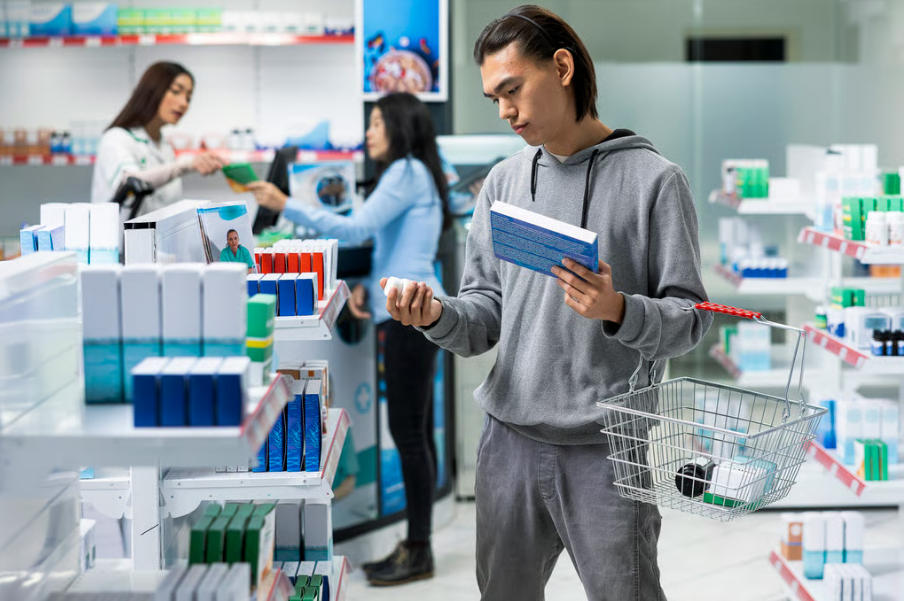
If unusual symptoms begin after taking a new herbal product, stop it and seek medical advice. Photo: Shutterstock
Safety tips before combining remedies or therapies with prescription medicines
Document everything you use: Write down or photograph every product and treatment. That includes prescription medicines, Chinese herbs, Western dietary supplements, teas, granules, pills, topical oils and remedies bought online or overseas. Include the dose, frequency and start date.
Treat concentrated extracts differently from food: A mild chrysanthemum tea or bowl of tonic soup is not the same as a raw herb decoction, commercial extract, concentrated granule, or high-dose supplement like St John’s wort or goldenseal. Concentrated remedies carry higher active doses and require a professional check.
Flag high-risk medicines before starting anything new: Speak with your doctor, pharmacist, or registered Chinese medicine practitioner before adding an Eastern or Western remedy if you take anticoagulants (like warfarin or aspirin), cardiac drugs, diabetes medication, blood pressure pills, cancer treatments, immunosuppressants or anti-seizure medications.
Disclose medical conditions before physical therapies: External treatments carry non-ingested risks. Always notify your practitioner if you are pregnant, wear a cardiac pacemaker or take blood thinners before undergoing acupuncture, electroacupuncture or cupping, as these can trigger contractions, interfere with devices or cause severe bleeding and bruising.
Do not rely on “natural” claims: An over-the-counter proprietary medicine or herbal supplement may be natural and legally sold, but that does not guarantee it is safe for your specific condition or compatible with your prescription drugs.
Act immediately on warning signs: Stop any newly started product and seek medical advice if you develop unexpected symptoms. Seek urgent care for unexplained bleeding, black stool, blood in urine, sudden severe headache, chest pain, difficulty breathing or severe dizziness. Never stop a prescribed medication without medical guidance.



 Medicine