

 i_need_contribute
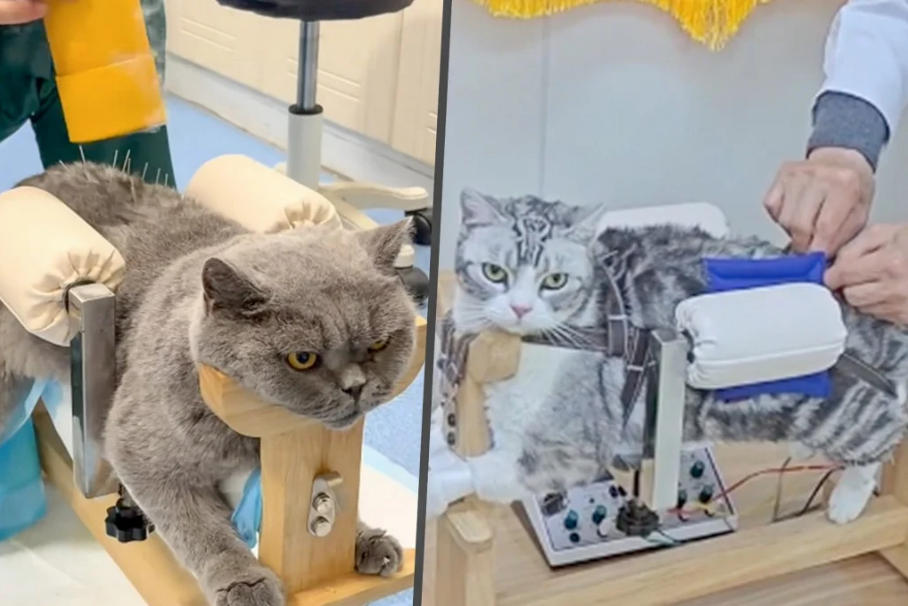
More Chinese pet owners are choosing traditional Chinese medicine (TCM) to treat chronic illnesses in their cats and dogs. Photo: SCMP composite/RedNote
An increasing number of Chinese pet owners are turning to traditional Chinese medicine (TCM) to address chronic diseases and provide hospice care for their senior pets.
On one social media platform, the hashtag #petTCM has amassed over five million views, reflecting a growing willingness among people to share their experiences with TCM treatments for their pets.
A pet owner from Beijing took his dog, Iron Man, a seven-year-old mix of a border collie and golden retriever suffering from severe gastrointestinal issues, first to a Western veterinary clinic.
The veterinarian there diagnosed Iron Man with inflammatory bowel disease and prescribed medication; however, his condition failed to improve.
Seeking alternatives, the owner decided to explore TCM to “give it one more try.”
The TCM practitioner assessed Iron Man by taking his leg pulse, examining his tongue, eyes, and mental state, and inquiring about his medical history, past treatments, daily diet, and activities. The doctor then prescribed Chinese patent medicine pills and dietary therapy.
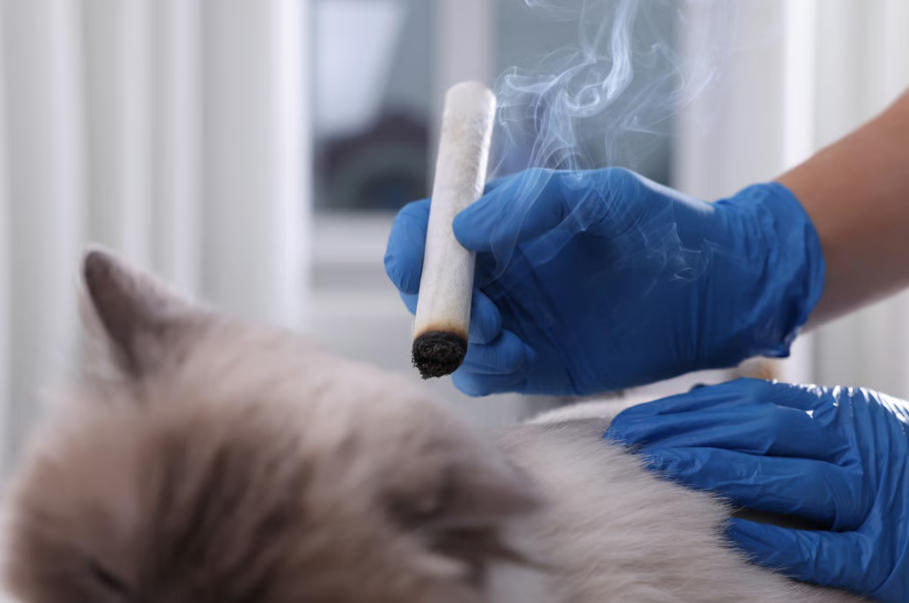
The photo above shows moxibustion, a traditional Chinese medicine (TCM) technique where a veterinarian burns a stick made of dried mugwort leaves close to a cat’s skin to heat up specific acupuncture points. Photo: Shutterstock
To the owner’s astonishment, the new treatment regime proved effective, as Iron Man’s persistent watery diarrhoea stopped after just three days.
Another pet owner, caring for her 17-year-old Chinese native dog, ground Chinese herbal tonics into powder and mixed them with his favourite meat after observing a decline in energy and overall functionality due to age.
After a month of administering the supplements, she noted a significant boost in her dog’s energy levels and physical strength.
The owner, surnamed Zhang, likened the treatment for her dog to yang sheng – the traditional Chinese practice of holistic wellness.
“I understand that this method cannot rejuvenate my dog, but it can certainly enhance his quality of life,” she stated.
This belief is also why many owners seek out TCM practitioners for their elderly pets. In another case, a pet owner in Guangzhou brought their 17-year-old poodle diagnosed with cancer to a TCM clinic for bee sting therapy.
Doctor Chen Jiayan performed the stinging, a traditional method believed to alleviate pain and swelling.
Chen explained that the owner opted for this gentle approach, mindful of the dog’s advanced age.
Other popular TCM treatments for pets include massage, moxibustion, and acupuncture.
According to statistics released during this year’s Pet Fair Asia in Shanghai, around 20 million dogs and cats in China are over seven years old, indicating that they are entering their senior years.
Last year, there were 126 million pet dogs and cats in urban areas, meaning about one in six of these pets were elderly.
Shi Dayou, director of the Small Animal Medicine Sub-Association of the Guangdong Association of Animal Husbandry and Veterinary Medicine, told the Guangzhou Daily that the increasing popularity of TCM, noted for being milder and having fewer side effects, is largely driven by the ageing pet population.
Moreover, industry surveys reveal a growing willingness among pet owners to invest in the long-term well-being of their pets.
A Beijing veterinarian who practises TCM, identified only by his surname Zhang, referred to his clinic as a “nursing home” characterised by a slow-paced lifestyle and compassionate care.
“We cannot guarantee full recovery for pets, but we can offer them peace and dignity in their later years,” Zhang said.
In fact, TCM veterinary medicine is not a new field; it has existed since ancient times when Chinese people first treated livestock.
Currently, only six universities in China offer undergraduate programmes in TCM veterinary medicine, though some vocational colleges also provide this course of study.
Shi noted that the most significant difference between TCM for humans and animals is that pets cannot communicate verbally, and their anatomical structures differ from those of humans.
This reality necessitates a high level of professionalism in this field.
This year, the Chinese Veterinary Medical Association published its first guidelines on acupuncture for dogs and cats, along with an action plan for promoting the development of TCM veterinary medicine over the next three years.
This initiative is viewed as an important step towards the professionalisation of the industry.



 Medicine