

 i_need_contribute
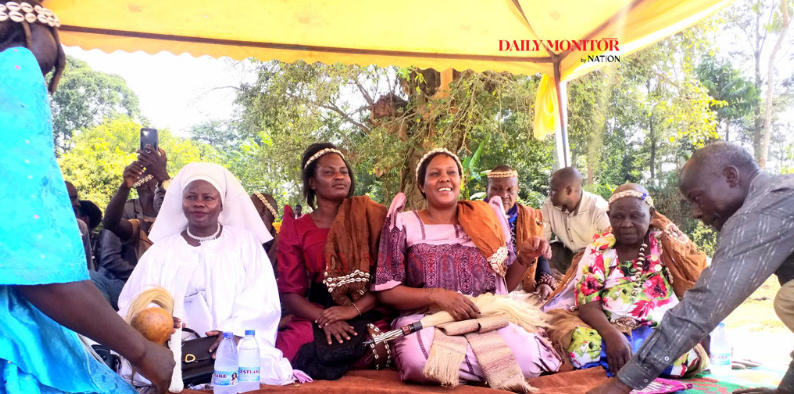
President of Traditional Healers in Uganda, Nalongo Nansamba Mutongole (C), addresses traditional healers in Namutumba District on August 8, 2026. PHOTO/RONALD SEEBE.
Nansamba said the exercise would help identify practitioners operating outside accepted practices and protect the reputation of traditional medicine.
"Many wrong elements are masquerading as traditional healers to achieve their ill intentions, tarnishing the image of genuine practitioners. Through this registration exercise, we will weed out fake traditional healers who are engaging in criminal activities," she said.
She was speaking on Saturday while meeting members of the Namutumba District Traditional Healers SACCO at Namutumba Town Council.
Nansamba called for the arrest of traditional healers involved in criminal activities, including sexual assault.
"We shall arrest you and make you explain whether traditional healing means committing criminal acts," she said.
She also ordered the inspection of shrines in the district, saying some areas of worship had become too numerous and required closer scrutiny.
"We are going to inspect the shrines one by one to find out exactly what is taking place in them," she said.
Traditional healers have repeatedly faced allegations linking some practitioners to child sacrifice, unexplained deaths and sexual abuse. Nansamba urged practitioners to distance themselves from such acts.
"Let us keep our shrines clean and work together to end these vices because they are tarnishing our image," she said.
Nansamba also pledged to establish an office for traditional healers in Namutumba to address their concerns in partnership with district authorities.
She said government support should focus on organised groups rather than individual practitioners, urging healers to use SACCOs to access government programmes.
"We can also use our SACCOs to benefit from government programmes such as the Parish Development Model and Emyooga because we are all Ugandans," she said.
However, Namutumba district officials said concerns over some traditional healing practices have persisted for years.
Deputy Resident District Commissioner Paul Waiswa said district leaders had for about a decade called for stronger regulation, citing allegations that some practitioners use radio stations to promote claims of supernatural powers and wealth creation.
Waiswa also said some shrine visitors have alleged that practitioners use human remains in rituals intended to harm their enemies, although he acknowledged that such claims had not been scientifically established.
"Witch doctors ask people who visit their shrines to bring goats, hens and sheep, yet they remain poor themselves," he said.
He urged residents to embrace saving and other legitimate means of improving their livelihoods rather than relying on claims made by traditional healers.
Prince Kisigenyi Yololim, the chief of Busiki Chiefdom, backed the proposed registration and said he would begin registering practitioners and inspecting shrines across the district.
Yololim also warned against practitioners who instruct shrine visitors to fast for extended periods as part of rituals.
"This is wrong. Traditional spirits cannot require people to fast. Those telling people to stop eating in shrines are fake healers with ill intentions, and we will arrest them," he said.
He urged shrine visitors not to put their health at risk by following instructions to stop eating.
Yololim also said authorities had received reports alleging sexual assault of women and girls at some shrines.
"Many cases have been reported of women and girls being sexually assaulted by traditional healers inside shrines in the district," he said.
He added that security agencies were working with traditional healers' leaders to inspect shrines and identify practitioners suspected of criminal activity.
Traditional healers, however, rejected allegations of child sacrifice and sexual assault at their shrines, saying such claims were intended to damage their reputation.
Mandwa Waiswa Kanene, a resident of Ivukula, said such incidents had occurred in the past but were no longer common.
"Today, we have well-coordinated leadership, and all traditional healers are monitored and visited monthly to establish what takes place in their shrines," Waiswa said.
He said practitioners involved in criminal activities had been removed from the sector and insisted that traditional healing does not involve human sacrifice.
The traditional healers also called for greater government support,
saying they have been left out of development programmes such asEmyooga and the Parish Development Model.




 Medicine