

 i_need_contribute
As the nation reflects on the legacy of its second-phase leader, the late President Ali Hassan Mwinyi is being celebrated not just as a political reformer, but as a visionary champion of indigenous healthcare. Traditional medicine advocates have lauded his foundational efforts to integrate ancient African botanical science with modern medical frameworks.
Speaking during the commemoration of Mwinyi's birth anniversary over the weekend, the Traditional Medicine and Environmental Protection Organisation (TRAMEPRO) highlighted the profound impact of his progressive health policies. By officially recognizing the efficacy of medicinal plants and advocating for their environmental protection during his tenure, Mwinyi effectively legitimized a sector that currently provides primary healthcare to millions of rural Tanzanians who lack access to conventional medical facilities.
A Legacy of Indigenous Healthcare
The turning point for the formal recognition of alternative medicine in Tanzania occurred during the International Conference on Traditional Medicinal Plants, hosted at the Arusha International Conference Centre in February 1990. It was here that President Mwinyi delivered a landmark address that permanently altered the national health trajectory.
TRAMEPRO Secretary General, Boniventura Mwalongo, recalled that Mwinyi boldly affirmed traditional medicine as a highly valuable repository of African scientific knowledge. Rather than dismissing indigenous practices as primitive—a common colonial hangover at the time—Mwinyi argued forcefully that botanical remedies must be systematically preserved, scientifically researched, and actively promoted for the benefit of future generations.
This philosophical shift allowed traditional healers to emerge from the shadows of regulatory ambiguity, fostering a new era of respectability and structured oversight.
The Synergy Between Science and Tradition
Under Mwinyi's leadership, the Tanzanian government began constructing a holistic health ecosystem. The administration recognized that modern pharmaceutical infrastructure alone could not adequately serve a rapidly expanding, largely agrarian population.
Key pillars of Mwinyi's traditional medicine advocacy included:
· Mandating the strict environmental protection of indigenous forests to secure the biodiversity of crucial medicinal plants.
· Providing institutional funding for robust scientific research to verify the chemical efficacy and establish safe dosages of botanical treatments.
· Fostering structured, respectful collaboration between university-trained medical professionals and certified traditional medicine practitioners.
· Launching comprehensive public education campaigns to guide citizens on the safe and proper utilization of herbal remedies.
The Urgent Need for Continued Investment
While commemorating this historical legacy is vital, practitioners insist that the true tribute to the late President lies in aggressive forward momentum. TRAMEPRO officials emphasized that verbal accolades must be translated into rigorous practical actions and expanded state funding.
The modern traditional medicine sector faces severe existential threats from rapid deforestation, climate change, and the unchecked expansion of commercial agriculture. Mwalongo warned that without massive capital investment in dedicated botanical research centers and aggressive state policies to protect medicinal plant habitats, the ancestral knowledge base could be permanently eradicated.
Furthermore, the organization advocates for the strict enforcement of ethical standards and accountability within the alternative health sector. By building the clinical capacity of traditional practitioners and weeding out fraudulent herbalists, the industry can definitively secure public trust.
Regional Lessons for East Africa
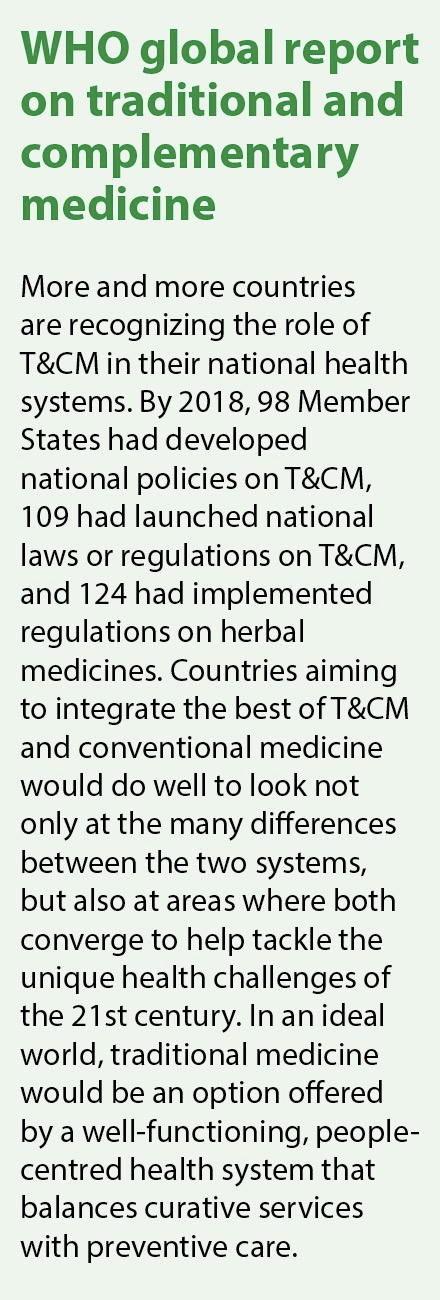
The Tanzanian model of integrating traditional and modern medicine offers a powerful blueprint for the broader East African Community. In neighboring nations like Kenya and Uganda, the regulatory frameworks governing herbal medicine remain highly fragmented, often leaving desperate patients vulnerable to exploitation.
By formalizing the sector, establishing research protocols, and protecting the intellectual property of indigenous healers, Tanzania is positioning itself as a regional leader in holistic pharmacology. As global pharmaceutical giants increasingly turn to African flora to develop the next generation of life-saving drugs, Mwinyi's visionary insistence on protecting the nation's botanical heritage looks remarkably prescient. The preservation of traditional medicine is no longer just a cultural imperative; it is a critical component of national health security and a potential engine for economic growth through the sustainable export of scientifically verified herbal supplements.




 Medicine