

 i_need_contribute
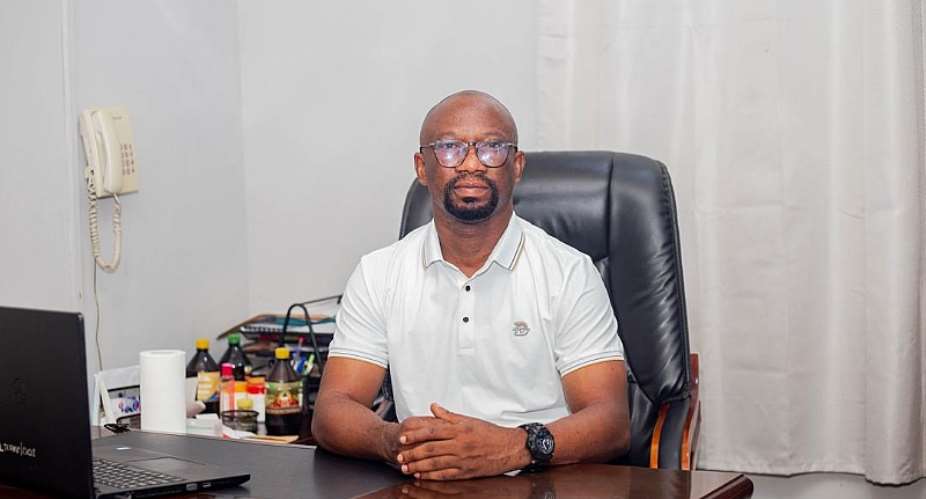
Ghana's healthcare landscape continues to evolve as practitionersand policymakers explore ways to balance conventional medicalsystems with traditional approaches. Among the figures contributingto this conversation is Dr. Emmanuel Ampem Darko, Chief ExecutiveOfficer of Kwayisi Christian Herbal Clinic.
His work reflects broader efforts within the country to position herbal medicine as a complementary component of healthcare delivery, particularly in communities where access to conventional medical facilities may be limited.
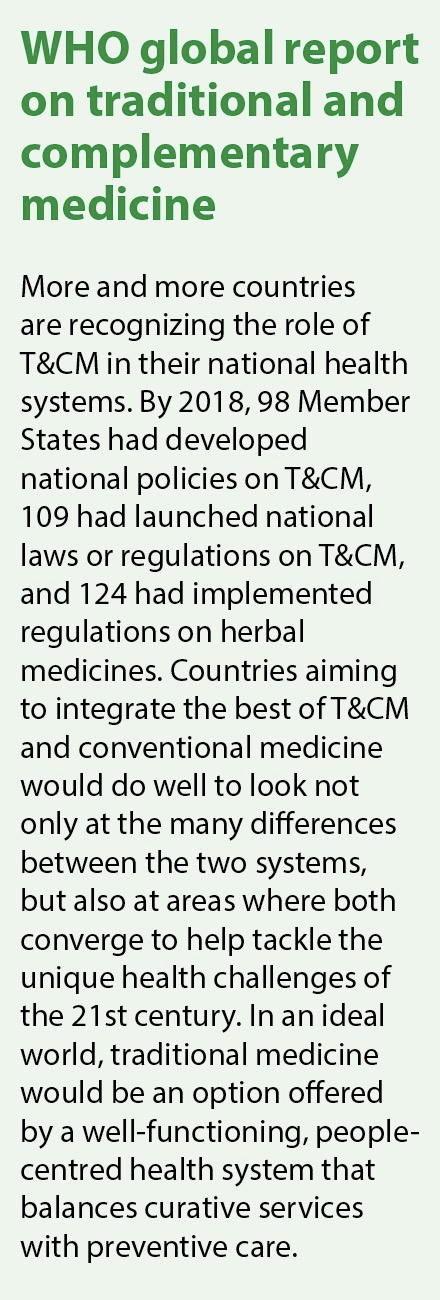
For many years, institutions such as Kwayisi Christian Herbal Clinic have provided plant-based treatments rooted in indigenous knowledge systems. Under Dr. Ampem Darko’s leadership, the clinic has also engaged in discussions around standardization, safety, and the documentation of herbal practices. These efforts align with ongoing national and global debates about how traditional medicine can be integrated into formal healthcare structures.
Stakeholders in Ghana’s health sector have increasingly emphasized the need for collaboration between conventional medical practitioners and herbal specialists. Advocates argue that a more coordinated approach could improve patient outcomes, while critics continue to call for rigorous scientific validation and regulatory oversight.
Within this context, Dr. Ampem Darko has publicly supported initiatives aimed at strengthening quality assurance and encouraging research into plant-based therapies. His position reflects a growing trend among herbal practitioners who are seeking greater legitimacy within formal health systems.
The role of herbal medicine remains particularly significant in rural and underserved areas, where it often serves as a primary source of care. According to health experts, improving documentation, training, and regulation within the sector could enhance its contribution to national healthcare delivery.
Ghana’s regulatory bodies, including the Food and Drugs Authority, continue to oversee the approval and monitoring of herbal products, while academic institutions are gradually expanding research into traditional medicine.
Looking ahead, discussions around healthcare in Ghana are likely to focus on how best to integrate diverse medical systems while ensuring safety, efficacy, and accessibility. Practitioners such as Dr. Ampem Darko represent one perspective within this evolving landscape, highlighting both the potential and the challenges associated with incorporating traditional knowledge into modern healthcare frameworks.



 Medicine